
Lesson 7: Multiplying by 2
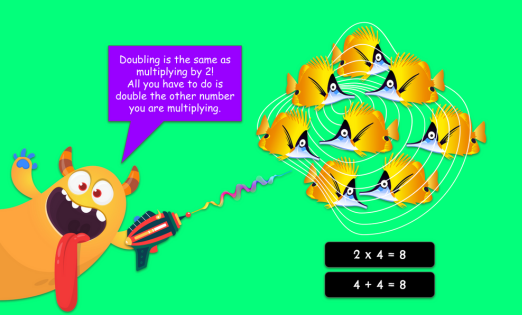
Students will use doubling to multiply by 2, recognising that multiplying by 2 is the same as adding a number to itself. This approach will help them build fluency and number sense. Students will practice this strategy by playing a game called Doubling Splat.
Lesson 6: Multiplying by 1 and 0
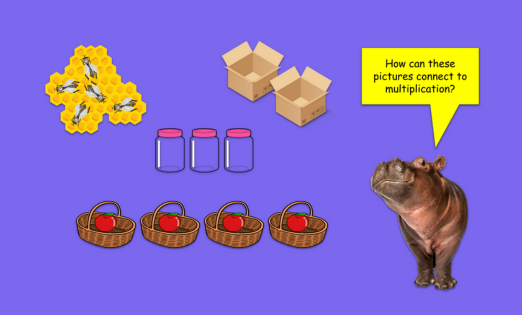
Students will develop a conceptual understanding of multiplying by 1 by recognising that the product remains the same as the original number. They will also explore multiplying by 0, discovering that the product is always zero regardless of the other factor. They will play a game of multiplication Bingo.
Lesson 5: Using arrays to show multiplication
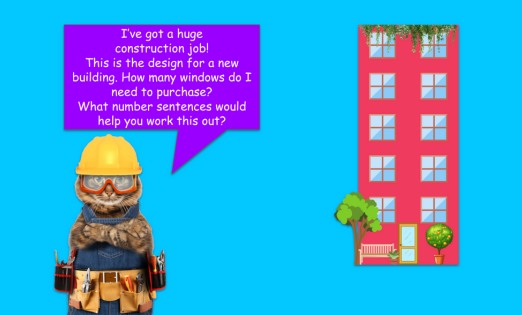
Students will create buildings that visually represent arrays, using rows and columns to show the organization of objects. This activity will help them explore the connection between arrays and multiplication.
Lesson 4: Introduction to using arrays to multiply
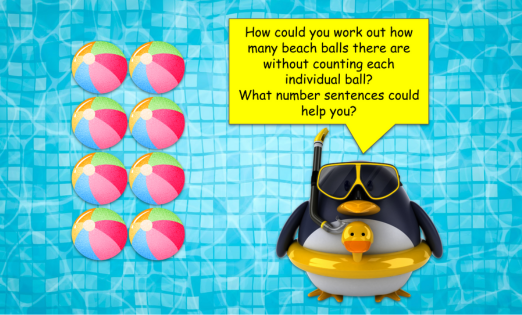
Students will explore how multiplication can be conveyed as arrays to gain further conceptual understanding of multiplication. They will use arrays to solve multiplication, whilst playing a game called Pool Party.
Lesson 3: Applying skip counting to multiply
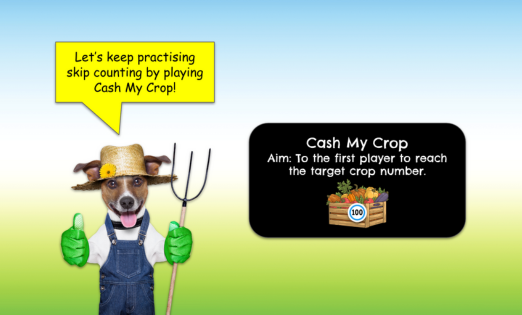
Students will apply their skip counting knowledge from the previous lesson with a strategy game called Cash My Crop.
Lesson 2: Introduction to skip counting to multiply
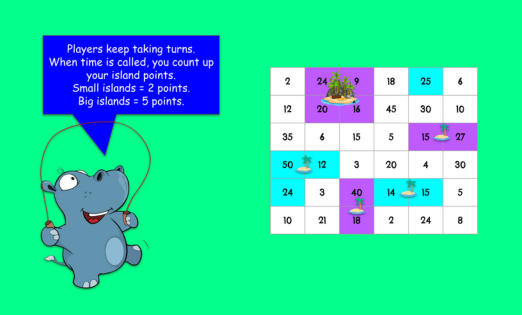
Students will use skip counting as a strategy to solve multiplication problems by counting forward in equal intervals. This approach helps them see multiplication as repeated addition and builds their number sense. They will practice this skill by playing a game called Island Capture.
Lesson 1: Introduction to equal groups
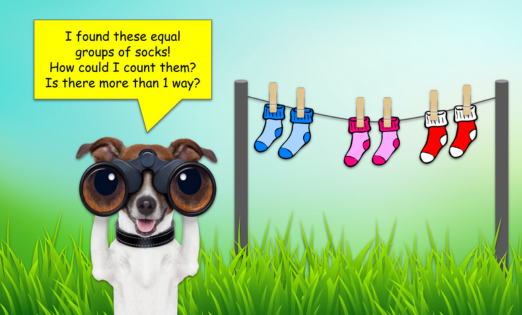
This lesson introduces the concept of groups and explores the connection to multiplication and addition number sentences through imagery. Students will find groups and connect them to number sentences using ‘I Spy’ pictures.
Lesson 14: Subtraction Assessment
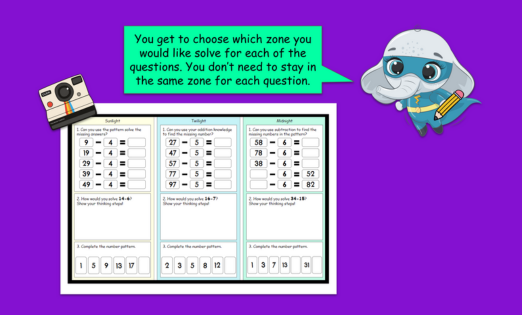
This is a summative assessment that covers the key objectives from this subtraction unit.
Lesson 13: Apply subtraction strategies to problem-solve
Students will consolidate and apply a range of subtraction strategies to problem-solve, such as counting on, bridging down to ten, jump strategy, split strategy and column subtraction. They will utilise these strategies in a critical-thinking activity that involves finding the ages of members of an animal family.
Lesson 12: Using flexible thinking to subtract efficiently
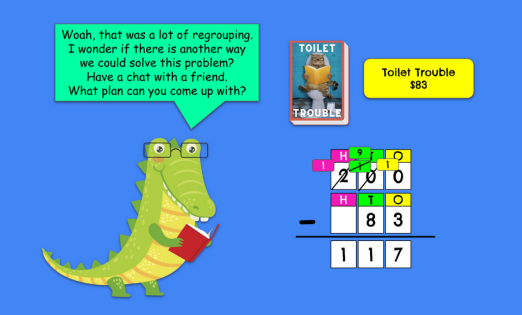
Students will use flexible thinking to manipulate numbers and subtract larger numbers effectively. They will use their knowledge and skills to help animals choose books to purchase.