Let's make 2026 the
year we kick maths anxiety
to the kerb
Every primary age child deserves to feel good about maths.
Other maths resources often focus on rote learning leaving little room for flexible thinking.
This makes some children afraid of maths, which becomes a real barrier to progress.
Many children begin to freeze, rush or avoid maths altogether. Awesomenicity’s inquiry-led lessons use vibrant visuals and accessible activities to break that cycle, helping learners move at their own pace and rebuild confidence, curiosity and enjoyment in maths.
30 day no obligation, no fuss free trial
SIGNS OF MATHS
ANXIETY IN STUDENTS
When you notice a child freeze on a maths concept they should know, that could be maths anxiety at work. Every teacher will recognise this, but it can express itself in many ways.
ACADEMIC BEHAVIOURS
- Rushing through work just to finish (not caring if it’s right).
- Avoiding eye contact so they aren’t called on.
- Freezing on questions they actually know, because anxiety blocks recall.
- Not doing their maths homework
AVOIDANCE BEHAVIOURS
- “Can I go sharpen my pencil?” / “I left my book at home.”
- Frequent toilet trips during maths lessons.
- Suddenly needing help with trivial tasks to dodge maths work.
PHYSICAL SYMPTOMS
- Complaints of stomach aches or headaches around maths time.
- Fidgeting, freezing up, sweaty palms.
- Shutting down emotionally when faced with problems.
EMOTIONAL CUES
- “People who are good at art, aren’t good at maths.”
- "I hate maths"
- "No-one in my family is good at maths"
- Low self-talk: “I’ll never get this right.”
- Visible panic when timed tests or mental maths start.
- Acting out or unusually poor behaviour
How maths anxiety
affects your classroom
Maths anxiety doesn’t always look like panic.
Often it hides in the small, familiar behaviours you see every day.

Avoidance
The child who suddenly acts out,
disturbing the rest of the class.

Freeze or rush
Some students sit stuck, staring at a blank page. Others rush through questions just to get it over with, caring little about whether it’s right.

Negative self-talk
“I can’t do maths.” “I’m rubbish at this.” These lines become part of their identity before they’ve even reached upper primary, ultimately effecting their future school career if not addressed.

Physical signs
Fidgeting, headaches, stomach aches - all mysteriously timed around maths lessons which might be misidentified as illness or unneeded time out of the class.

Withdrawal
Avoiding eye contact when questions are asked. Opting out of group work. Letting others lead. No teacher wants a child to feel forgotten.
Maths anxiety blocks curiosity before learning can even
begin. The good news? Once you can name it, you can do
something about it.

“If we can improve a student’s experience within their maths lessons, we can help lessen their maths anxiety, and in turn this may increase their overall maths performance.”
Dr Denes Szucs, Understanding Mathematics Anxiety: Investigating the experiences of UK primary and secondary school students, 2019
The Awesomenicity approach to reducing maths anxiety
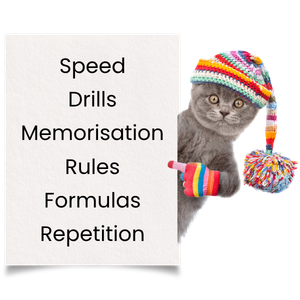
Other providers: “More testing! More drills! More speed!”
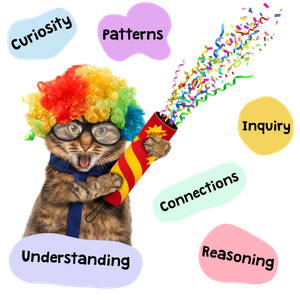
Awesomenicity: “Less anxiety. More understanding. Better progress.”
Children aren’t born with maths anxiety, but we’ve built teaching models that create it for some children. And we live in a world where we accept that’s just the way it is for some children.
But we don’t accept that.
We believe that for decades, the way we have taught and been taught Maths has actively encouraged a lack of confidence and even hatred towards the subject in some children.
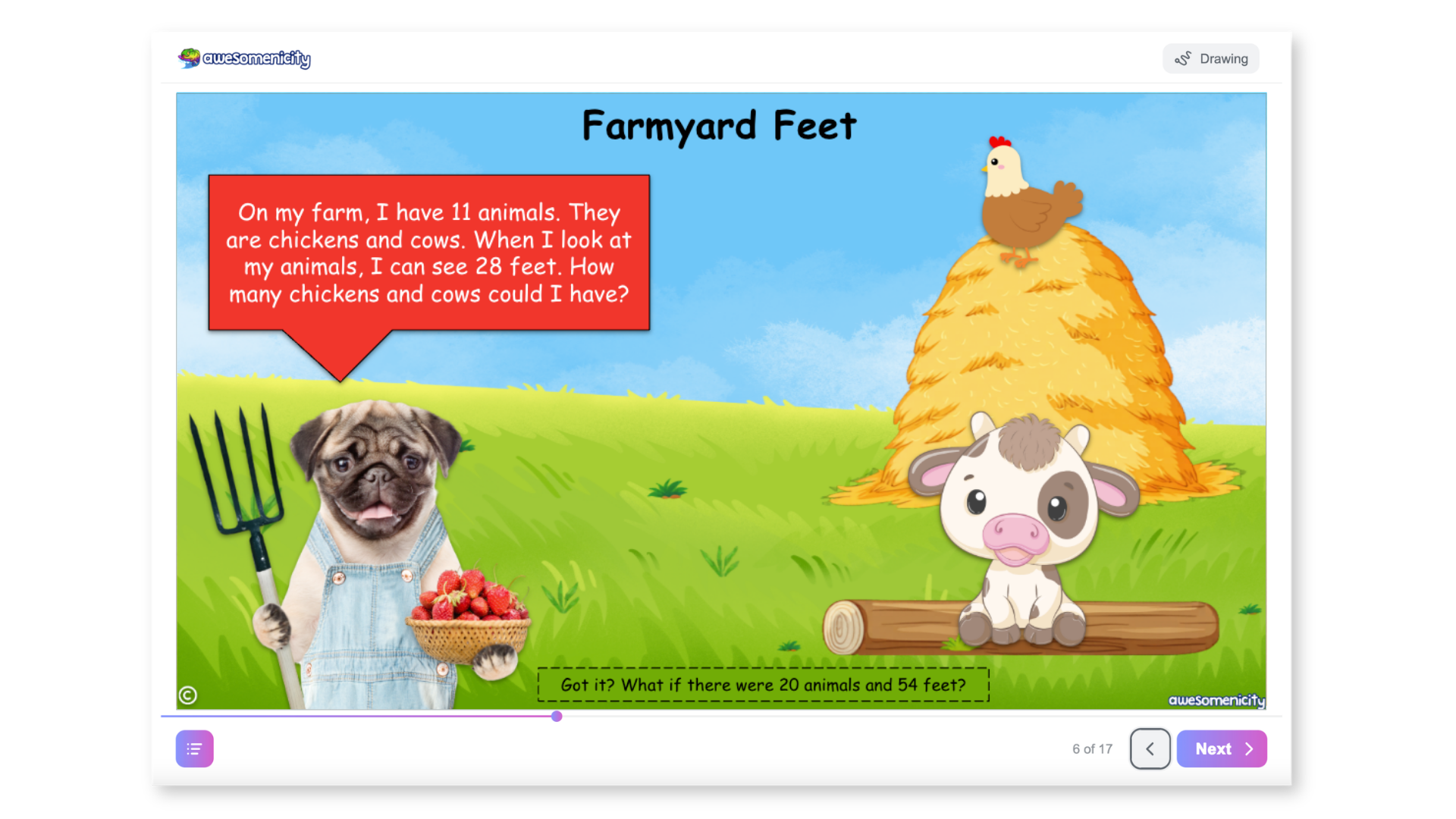
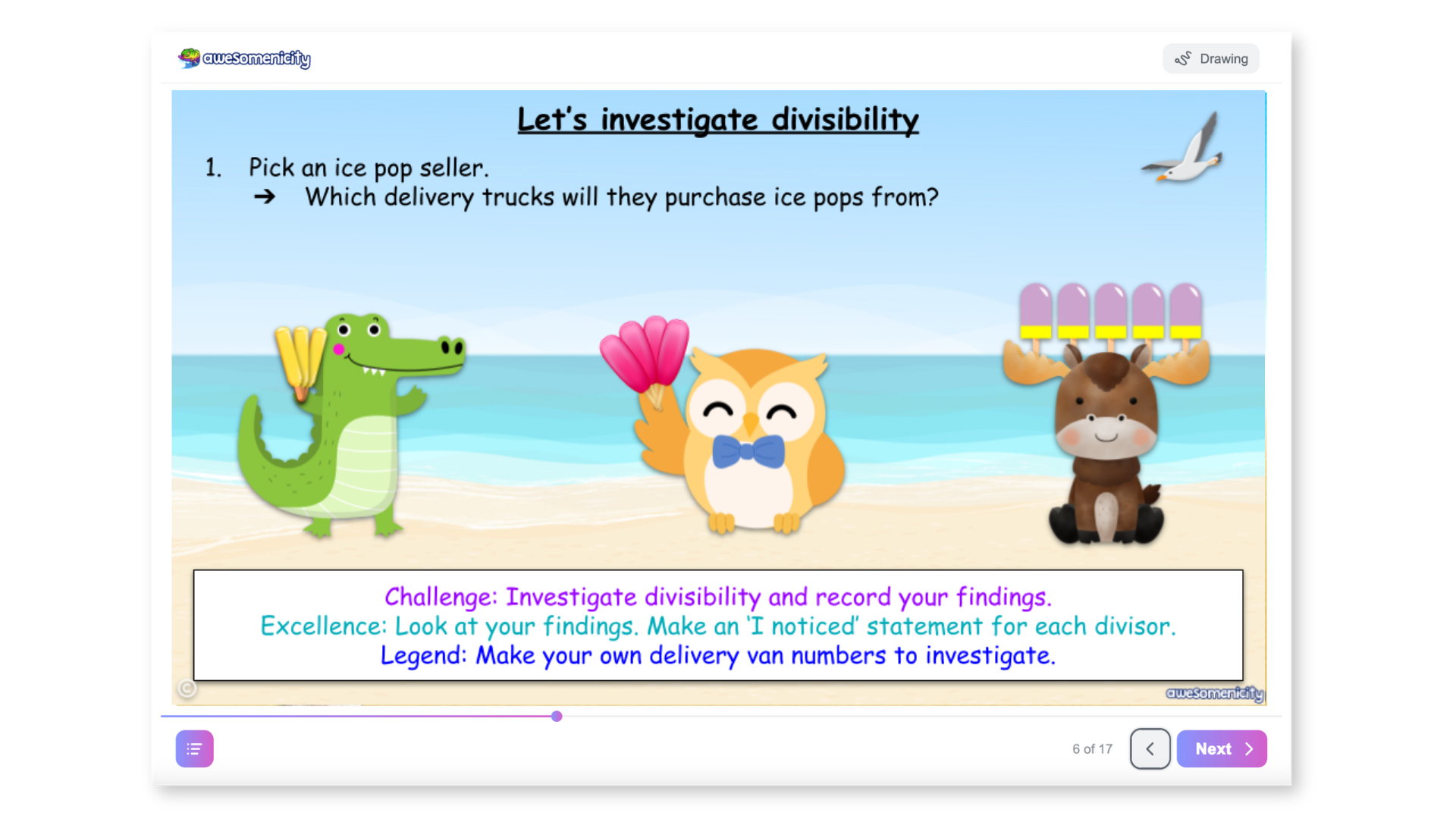
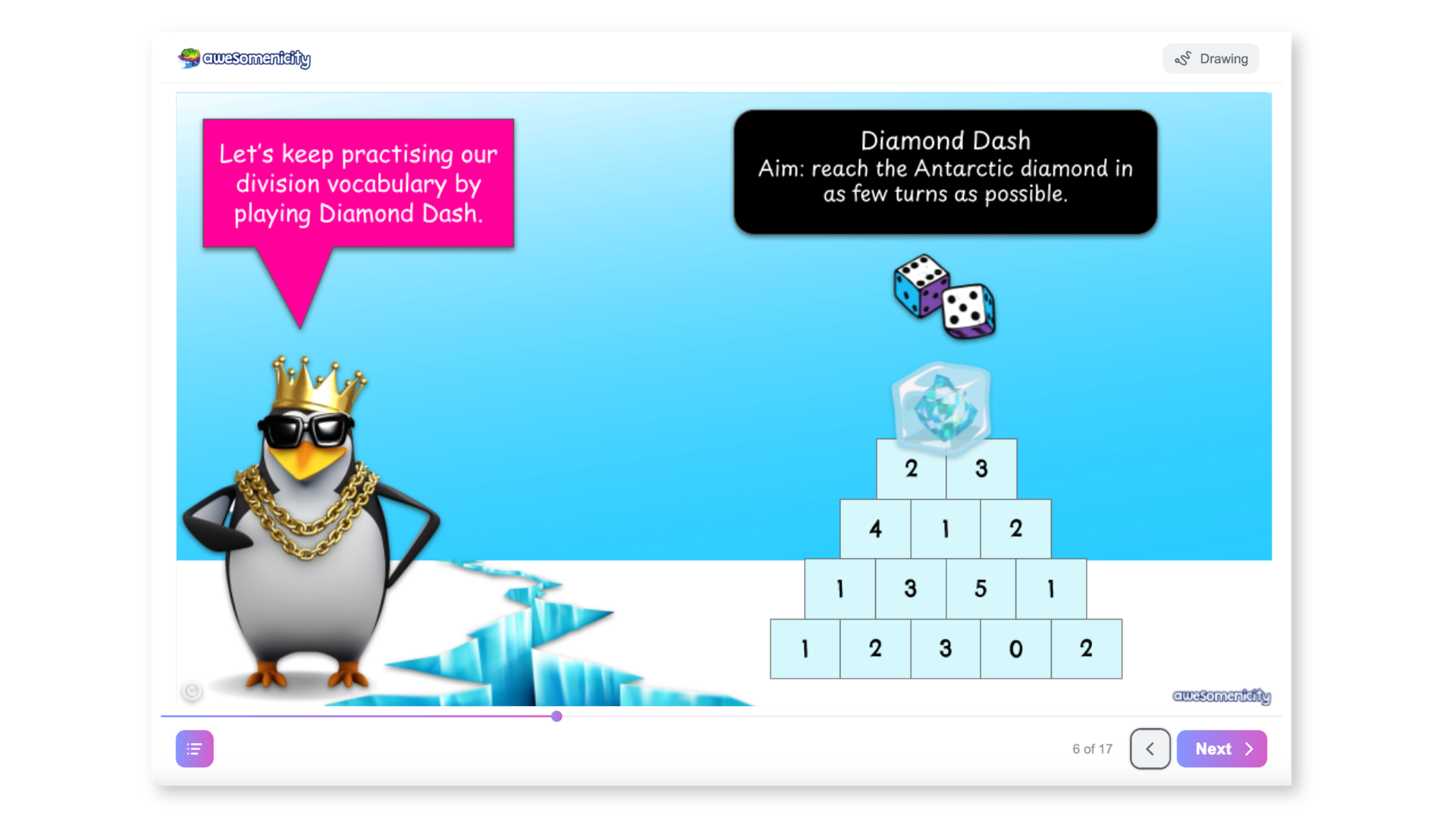
But when lessons incorporate concrete and pictorial elements,
lines of questions that develop critical thinking,
and collaborative activities to develop soft skills like perseverance
and communication, kids not only understand maths,
they start to find joy in it.
That’s where Awesomenicity comes in.
Our resources are deliberately designed to remove the triggers
that heighten anxiety:
• No timers. No drills. No races.
• Every task has layered entry points, so students can start
where they feel safe and build confidence step by step.
• Inquiry-based structures replace “right answer panic”
with curiosity and exploration.
• Colourful visuals and collaborative tasks create a calmer, more supportive classroom atmosphere.
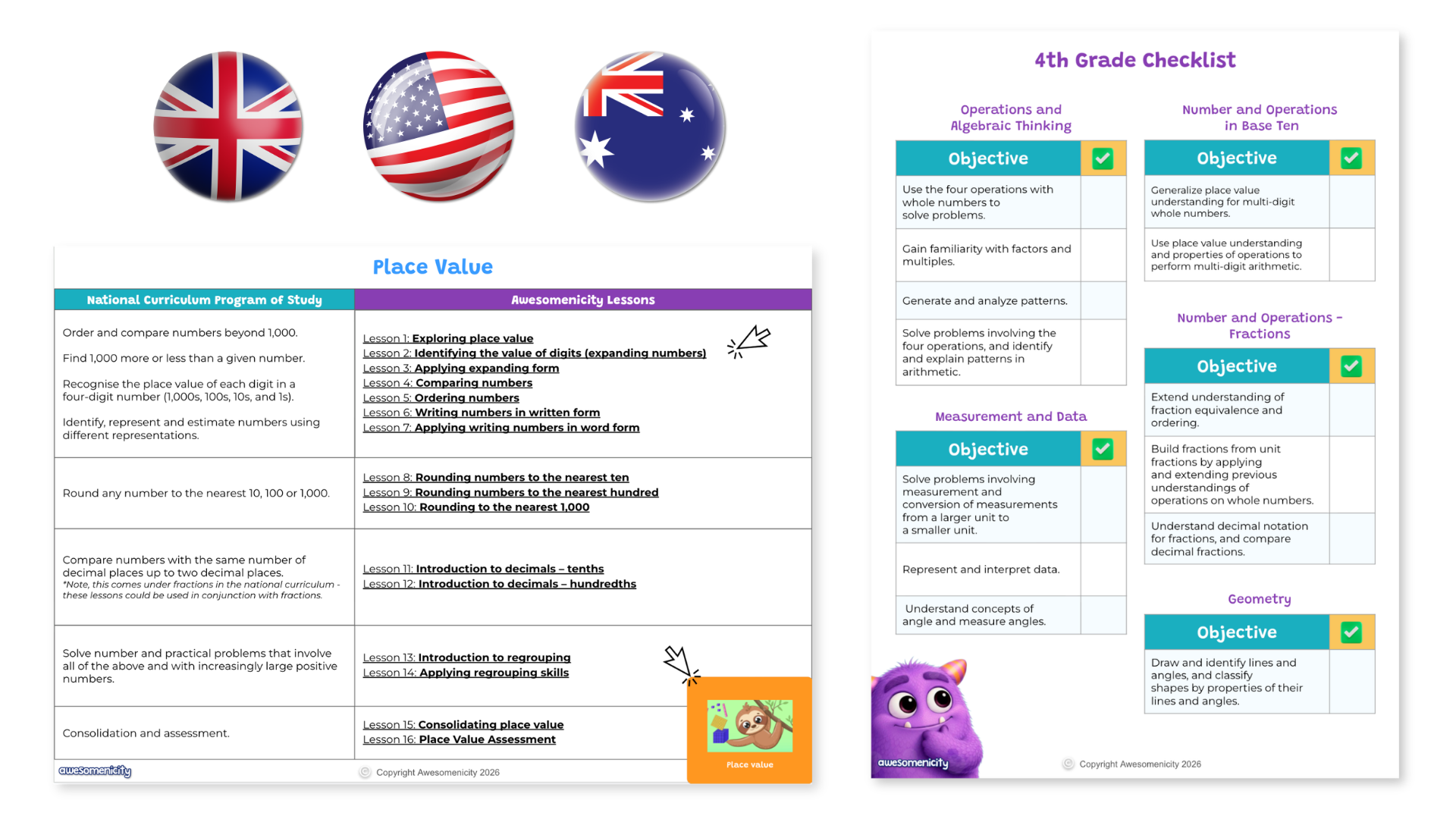
Created by IB educators, Awesomenicity aligns with inquiry pedagogy, and supports agency, reflection and conceptual understanding.
30 day no obligation, no fuss free trial
Find the plan that fits your
maths journey
Every school, teacher, and family has a different starting point and we’d love to help you find the plan that feels right for you.
At Awesomenicity, we believe maths should never feel overwhelming. Our lessons are built to replace anxiety with confidence and to make
learning and teaching feel lighter, clearer and more rewarding for everyone involved.
You can get started right away, or book an optional onboarding call. We’ll help you set up your account, explore the lessons and feel
completely ready to dive in.
All pricing in USD. Save 15% with yearly billing.
Monthly
Yearly
For Parents
SAVE 15% on yearly billing
Engaging packages and deep learning experiences
Narrated, interactive slideshow lessons
Step-by-step guide for lessons
Differentiated to suit all abilities
Hands on conceptual lessons
Real-life authentic learning
International curriculums met
For Teachers
SAVE 15% on yearly billing
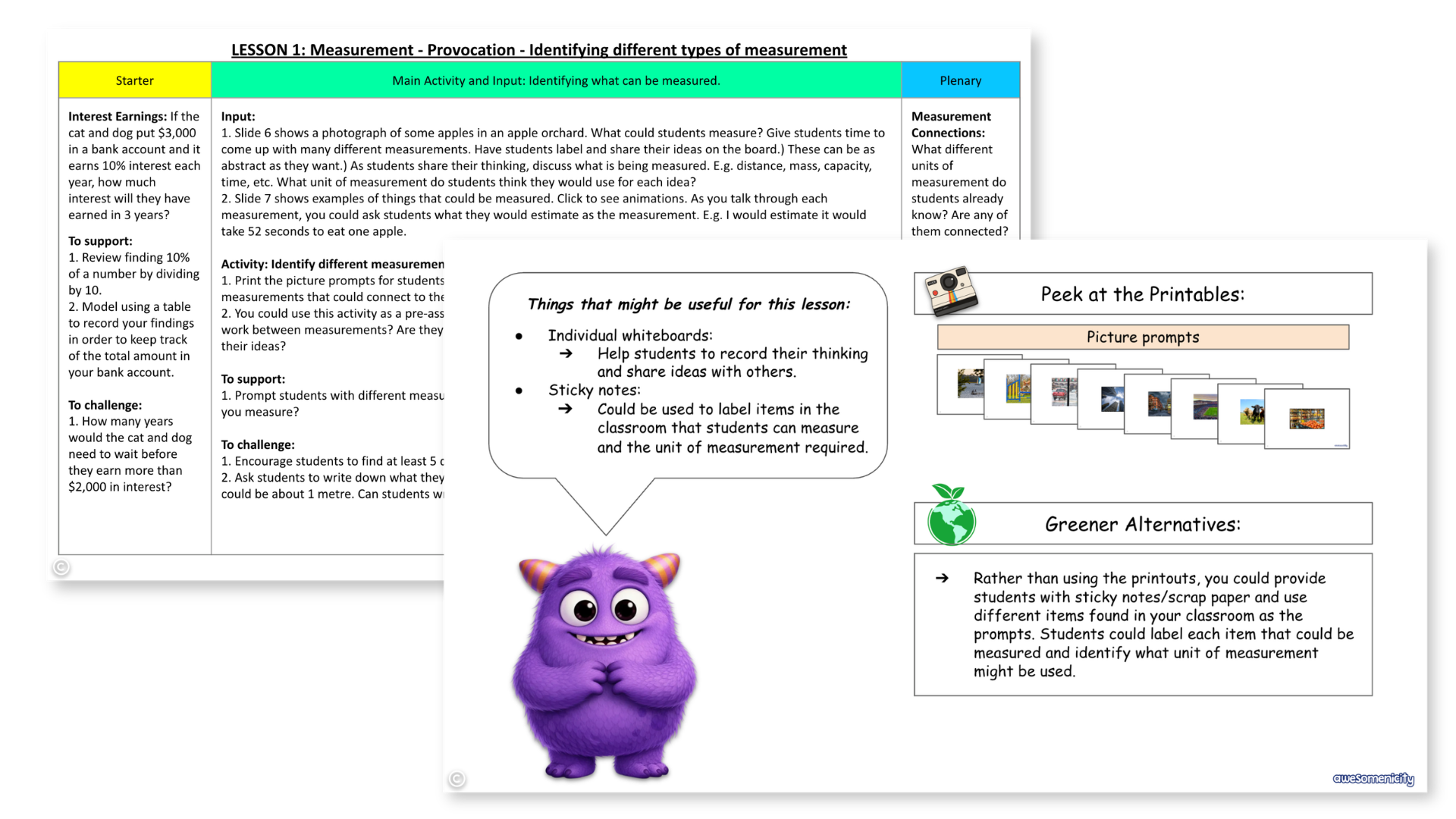
Complete lessons, less prep
Inquiry and concept based learning
Includes starter, instruction, activity and plenary
Differentiated instruction
Minimal resources needed
PDFs with tons of additional ideas
Detailed advice to promote best practice
For Schools
Let's talk!
Complete lessons, less prep
Inquiry concept based learning
Includes starter, instruction, activity, plenary
Differentiated instruction
Minimal resources needed
PDFs with tons of additional ideas
Frequently asked questions
Who can use Awesomenicity?
How does Awesomenicity work?
How is Awesomenicity organised/laid out?
How is Awesomenicity aligned to a curriculum?
How does Awesomenicity track students’ learning?
Why is Awesomenicity different?
What do I need if I subscribe to Awesomenicity?
What subjects does Awesomenicity offer?
What do you provide me with in order to deliver a lesson?
Can I sign up for multiple students and multiple grade levels?
Can I cancel my subscription?
Is there a free trial to explore Awesomenicity?
Spelling/measurement/money
Do I need to follow Awesomenicity’s order of lessons?
Stop the anxiety cycle
and start building confidence
Join teachers worldwide who are turning number dread into number joy.
Anxiety doesn’t have to define a child’s relationship with maths
and it doesn’t have to define your classroom either.