
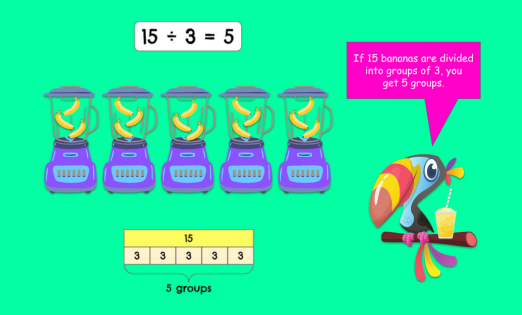
Lesson 3: Let’s divide by grouping
Sorry, but you do not have permission to view this content.
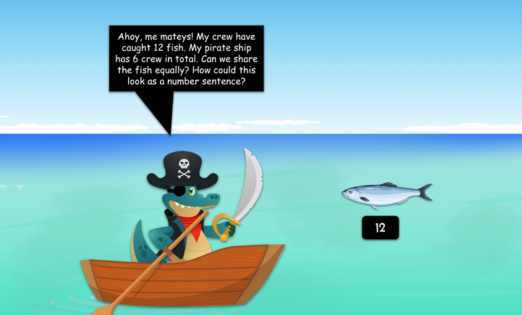
Lesson 2: Let’s share using dots
Sorry, but you do not have permission to view this content.
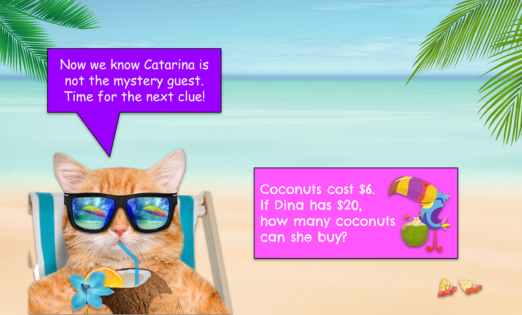
Lesson 13: Let’s use REPs to problem solve
Sorry, but you do not have permission to view this content.
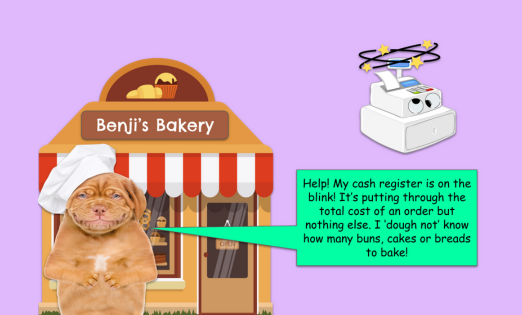
Lesson 12: Let’s problem-solve
Sorry, but you do not have permission to view this content.
Lesson 11: Let’s use division to calculate costs
Sorry, but you do not have permission to view this content.
Lesson 10: Let’s use place value dots to divide
Sorry, but you do not have permission to view this content.
Lesson 1: Let’s explore making equal groups
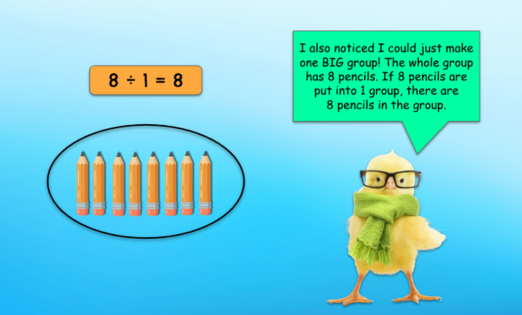
Students will explore the concept of dividing and creating equal groups, developing flexibility with numbers as they recognize that amounts can be divided in different ways. They may also make connections to division number sentences, discovering how numbers can be grouped or divided in various ways.
Lesson 9: Let’s divide using jump strategy
Sorry, but you do not have permission to view this content.
Lesson 8: Let’s solve word problems
Sorry, but you do not have permission to view this content.
Lesson 7: Let’s apply short multiplication
Sorry, but you do not have permission to view this content.