Lesson 18: Let’s calculate percentages and problem-solve
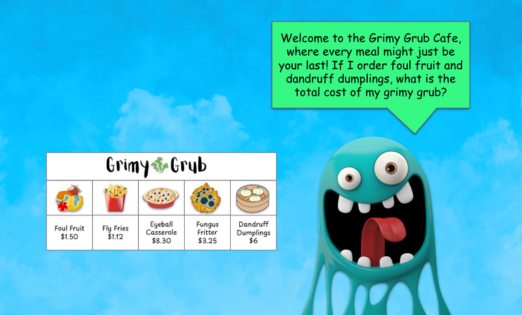
Students will apply their strategies for calculating percentages to a problem-solving game that involves spinning a food wheel.
Lesson 17: Let’s calculate percentages
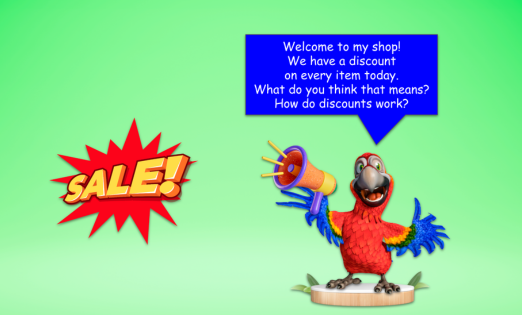
Students will explore how to find percentages of amounts and apply this knowledge to a shopping discount game.
Lesson 16: Let’s order decimals, fractions and percentages
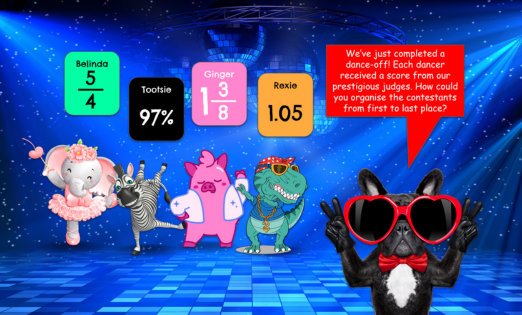
Students will convert decimals, fractions and percentages in order to compare and order the amounts. They will use their knowledge to work out the results order of a dance competition.
Lesson 15: Let’s convert fractions to decimals
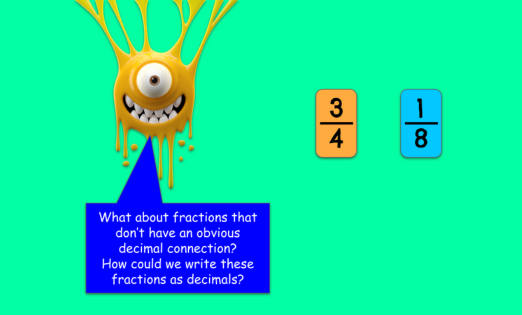
Students will apply their understanding of division to convert fractions in decimals.
Lesson 14: Let’s convert fractions, decimals and percentages
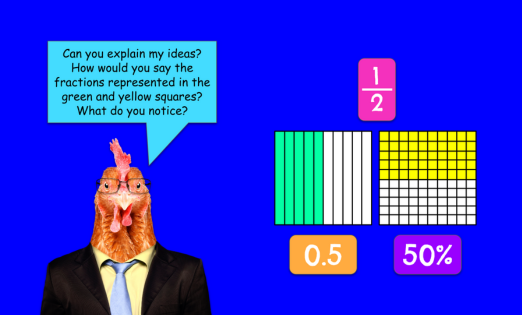
Students will apply their understanding of the connection between fractions, decimals and percentages. They will use their knowledge to work between all three formats.
Lesson 13: Let’s connect fractions, decimals and percentages
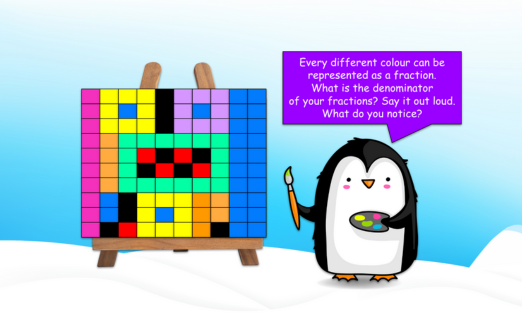
Students will convert and write fractions as decimals and percentages. They will use their skills to create their own masterpiece!
Lesson 12: Let’s solve addition and subtraction puzzles
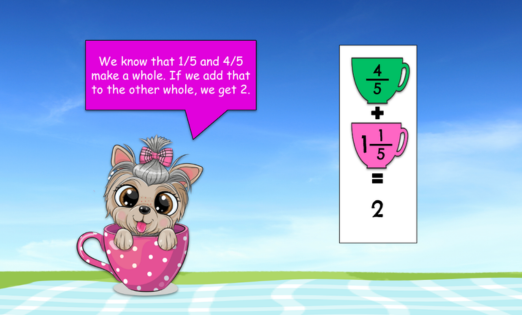
Students will add and subtract fractions to solve teacup fraction puzzles.
Lesson 11: Let’s add and subtract unlike fractions
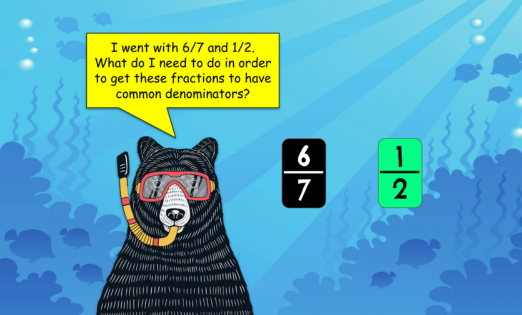
Students will add and subtract fractions with like and unlike denominators.
Lesson 10: Let’s convert improper fractions and mixed numbers
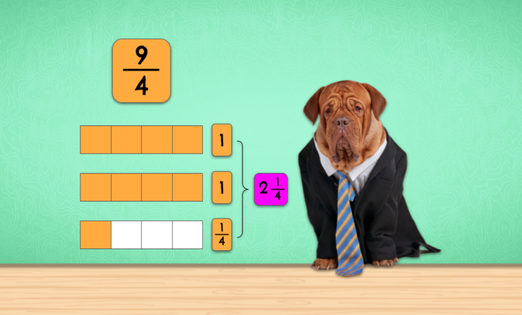
Students will convert improper fractions to mixed numbers using cards or dice.
Lesson 9: Let’s convert mixed numbers into improper fractions
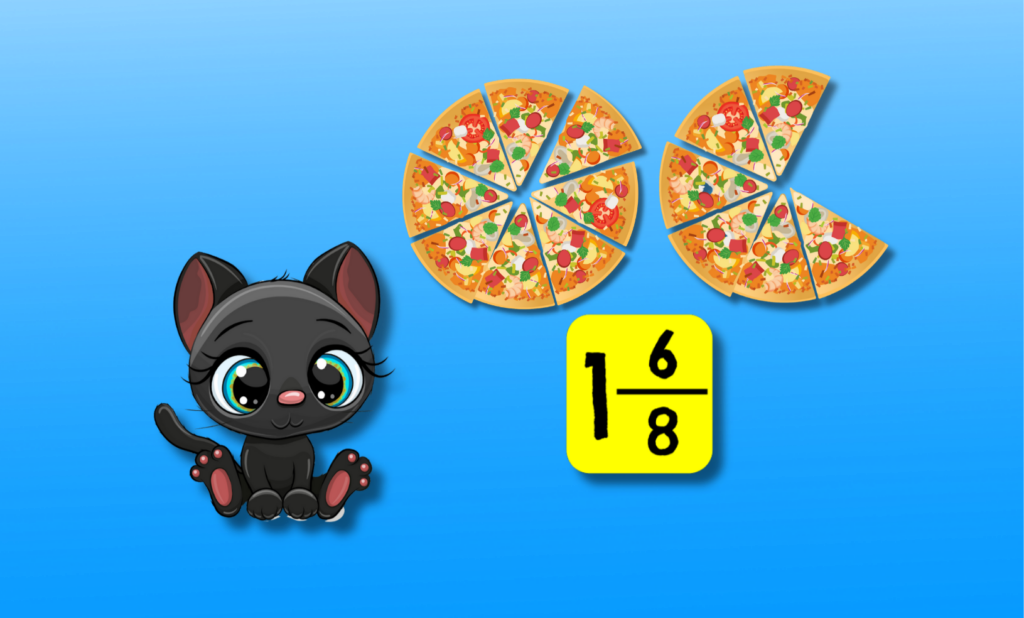
Students explore and convert mixed numbers into improper fractions.