Step 3: Start lesson 1 and have a look around
Students will be introduced to partial product strategy. This will provide a foundation to move onto short multiplication in the upcoming lessons. Students will choose different drivers and possible routes, then calculate how much it will cost the driver to complete the route.
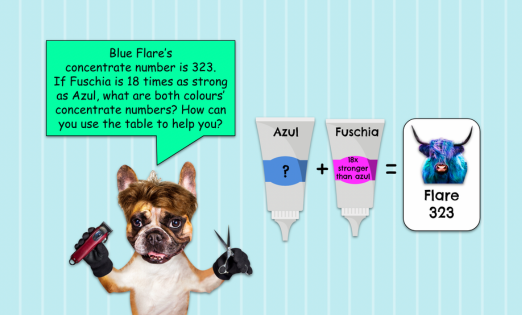
Students will use partial product strategy to problem-solve during a hair dye investigation.
Students will use short multiplication to solve number sentences from 2 x 2 digits up to 4 x 3 digits. They will play a game called Multiplication Showdown.
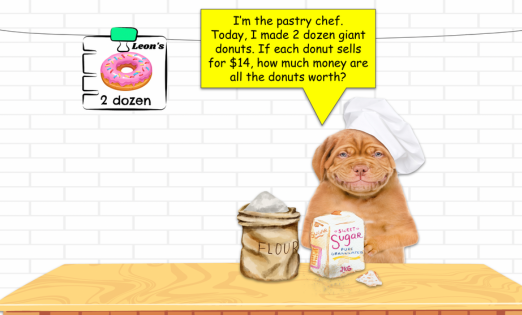
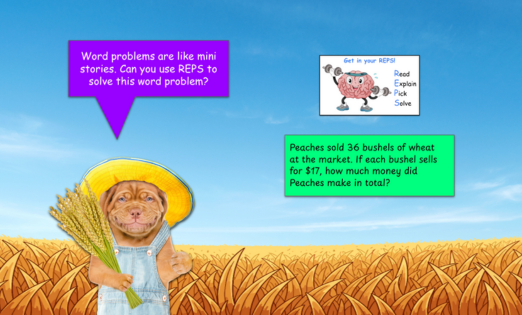
Students will use a range of strategies from this unit to solve word problems and calculate how much money each farmer earned at the market.
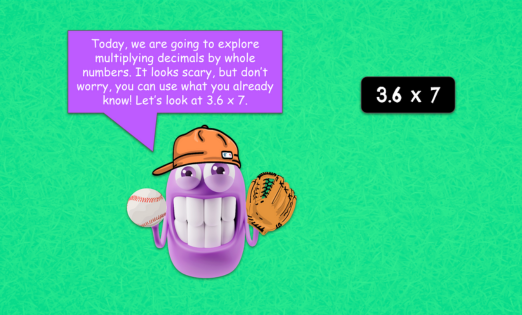
This lesson will introduce how to multiply decimal numbers using short multiplication. Students will multiply the decimal numbers by 10, 100 etc to create a whole number, then divide by the same amount to find the correct answer. They will practice this strategy while playing a game called Strike Out.

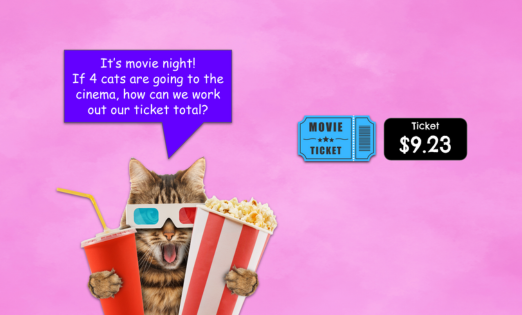
Students will continue to use short multiplication to multiply decimals. They will multiply the decimal numbers by 10, 100 etc to create a whole number and then use the inverse to find the actual answer. Students will purchase sweets and calculate the total cost.
Students will use chunking strategy to solve division. Chunking strategy involves repeatedly subtracting the divisor from the dividend to find the quotient. Students would calculate how much treasure each submarine crew member will receive.
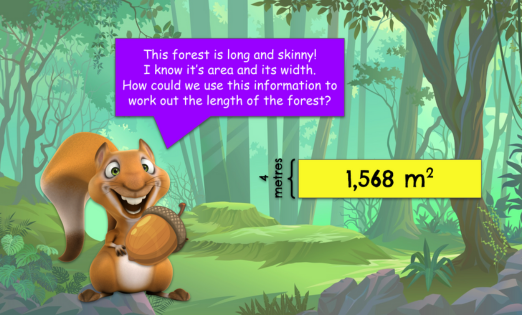
Students will apply their knowledge of chunking strategy with a fun scenario based division game called Forest Frenzy.
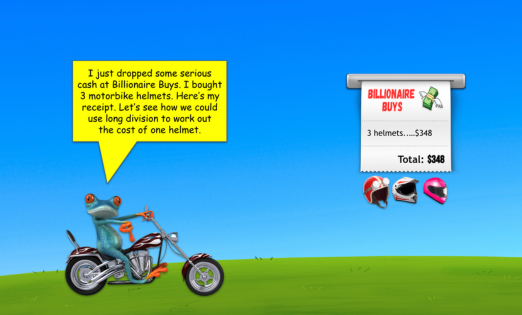
Students will divide large numbers using long division and calculate the price of each item at Billionaire’s Buys and Bling ‘n Rings.
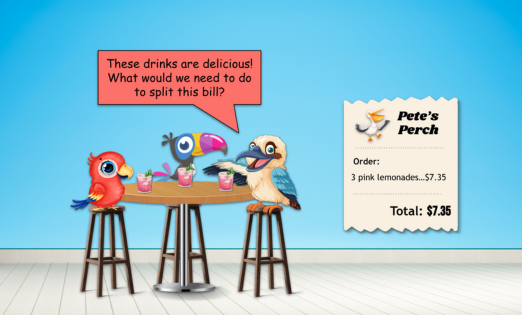
Students will use long division to divide decimals and help the animals split their restaurant bills.
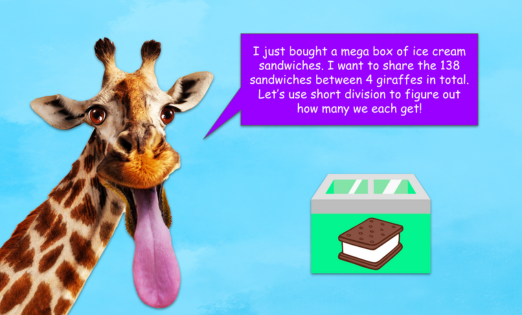
Students will divide large amounts using short division while playing a game called Super Scooper.
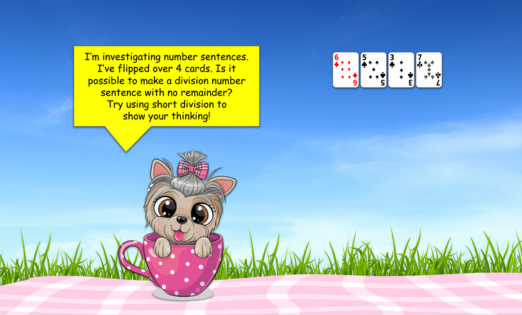
Students will apply their knowledge of short division with a problem-solving activity where they will investigate number combinations that meet clue criteria.
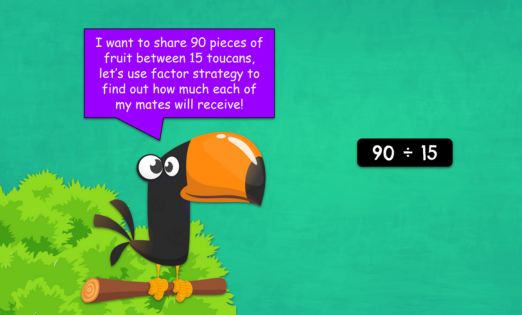
Students will use factors in order to divide with 2-digit divisors, which further develops students’ number sense and flexible thinking. They will explore different ‘Would You Rather’ scenarios.
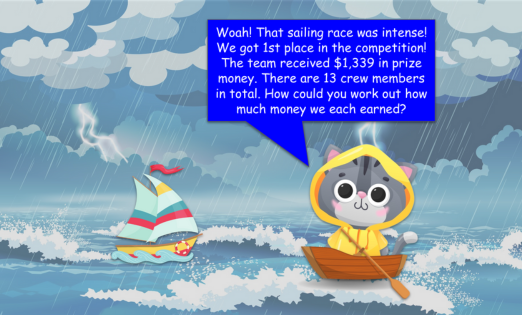
Students will use long division to divide by 2-digit divisors. They will apply this knowledge to a problem-solving activity where they will find how much money each teammate has won.
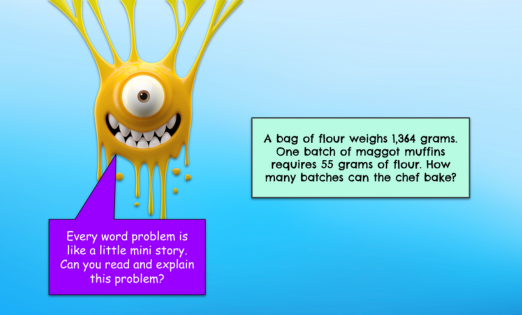
Students will use REPS along with the multiplication and division strategies they have learned to solve word problems that involve whole and decimal numbers. They will use their answers to crack a secret code.
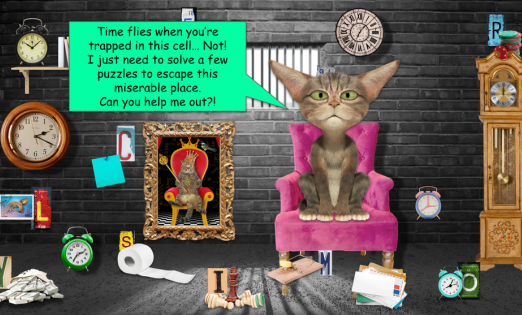
Students will use a variety of multiplication strategies to solve a series of multiplication puzzles during this ‘escape room’ challenge.