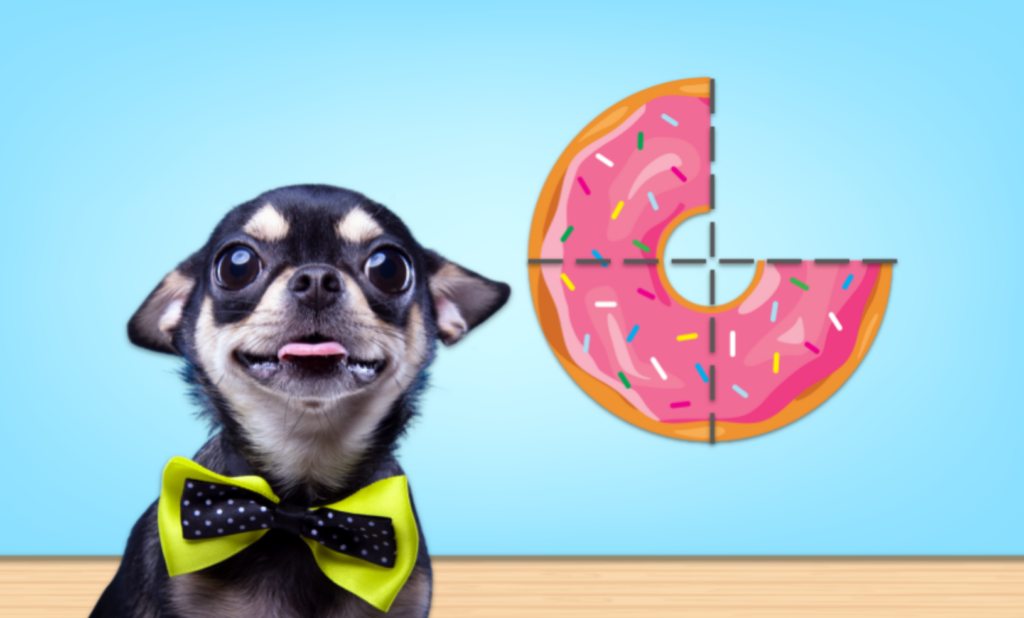
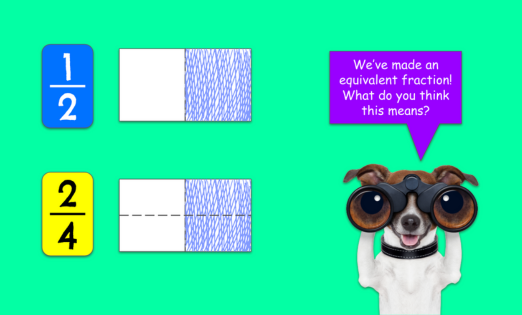
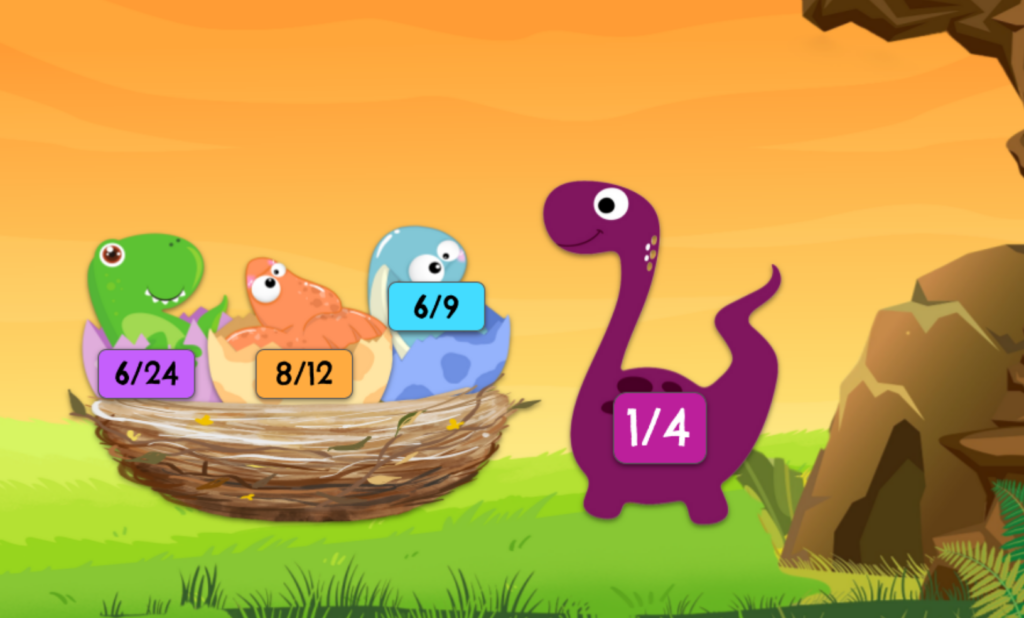
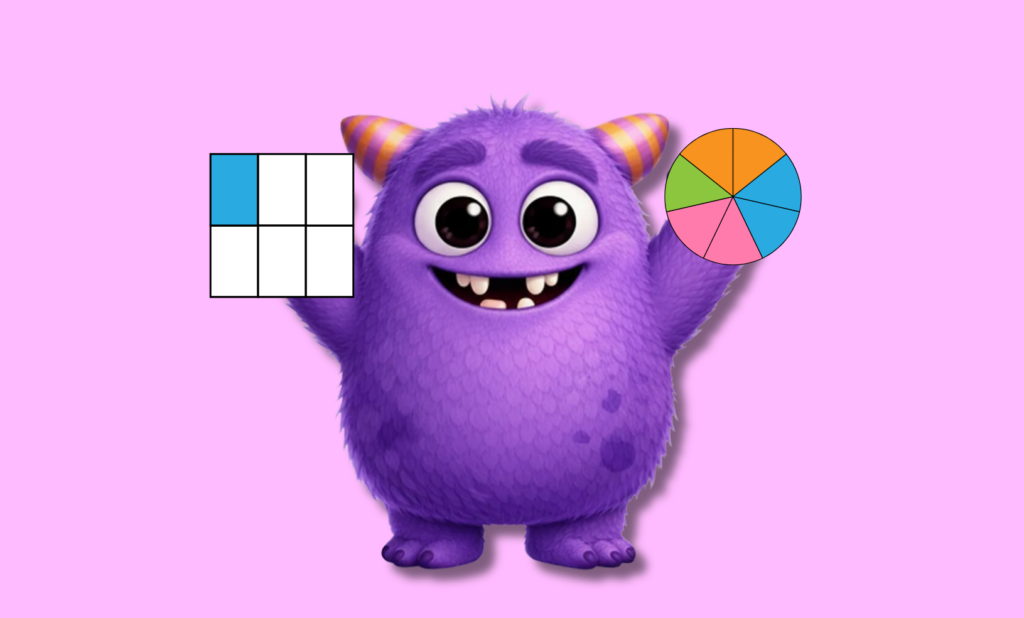
This lesson can be used to assess your student’s prior knowledge of fractions. In this lesson, students will recap how to identify fractions. They will use picture prompts to find fractions.
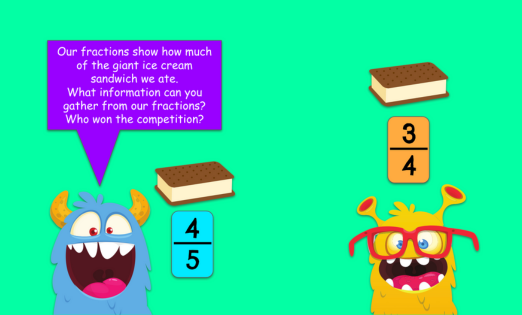
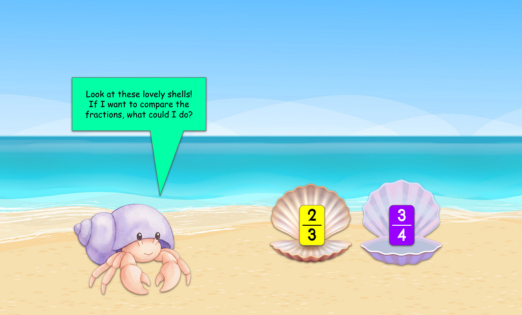
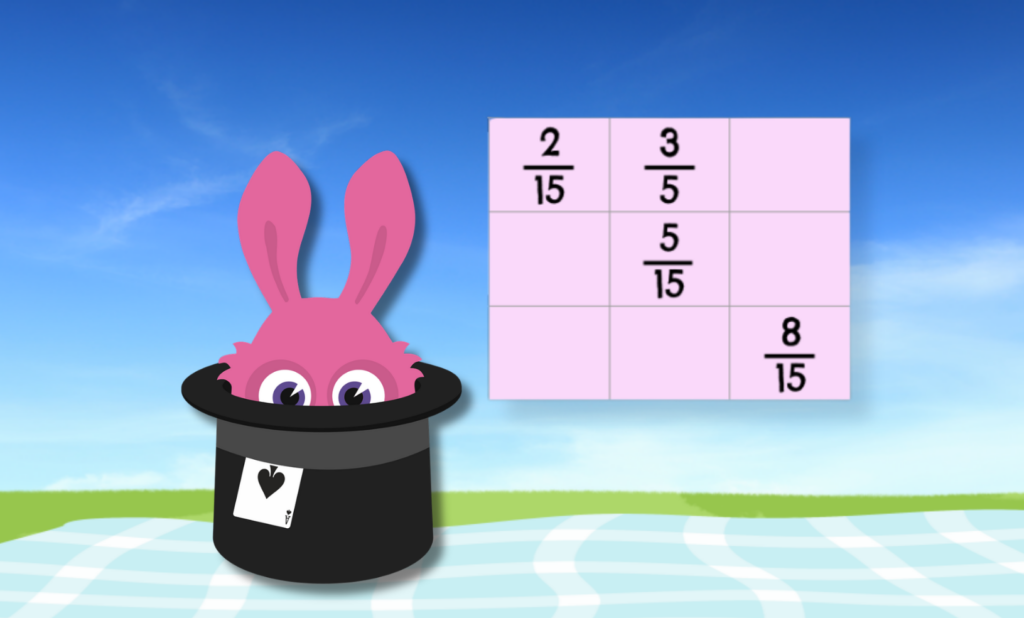
This lesson explores the concept of comparing fractions with unlike denominators using the lowest common multiples. They will compare fractions to find the winner of the Monster Munch Championships.
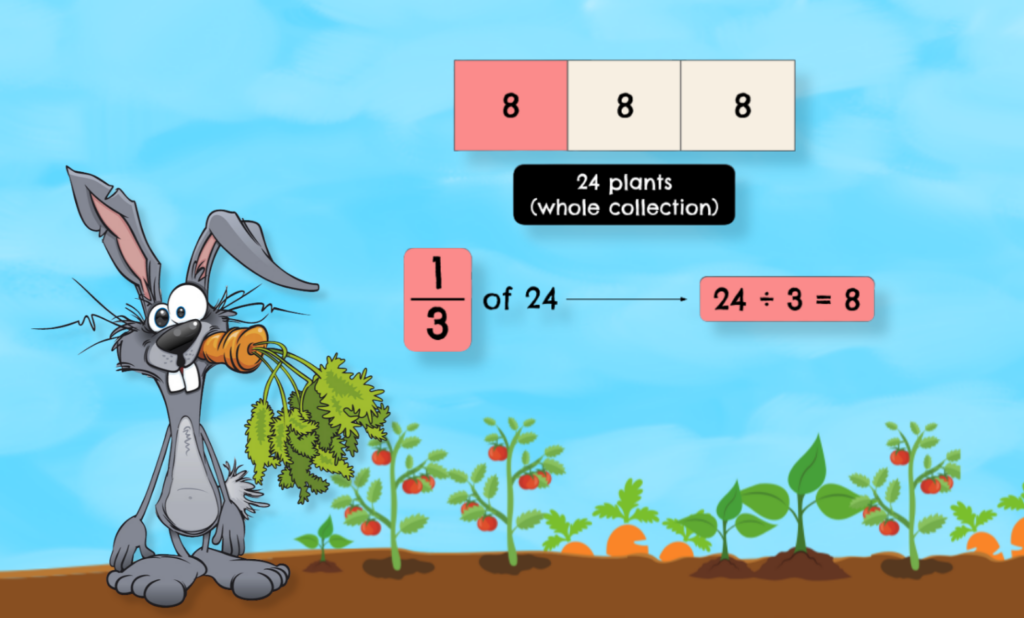
Students will explore how to calculate fractions of amounts through visuals, diagrams and number sentences. Students will apply this knowledge to a garden themed problem-solving activity.
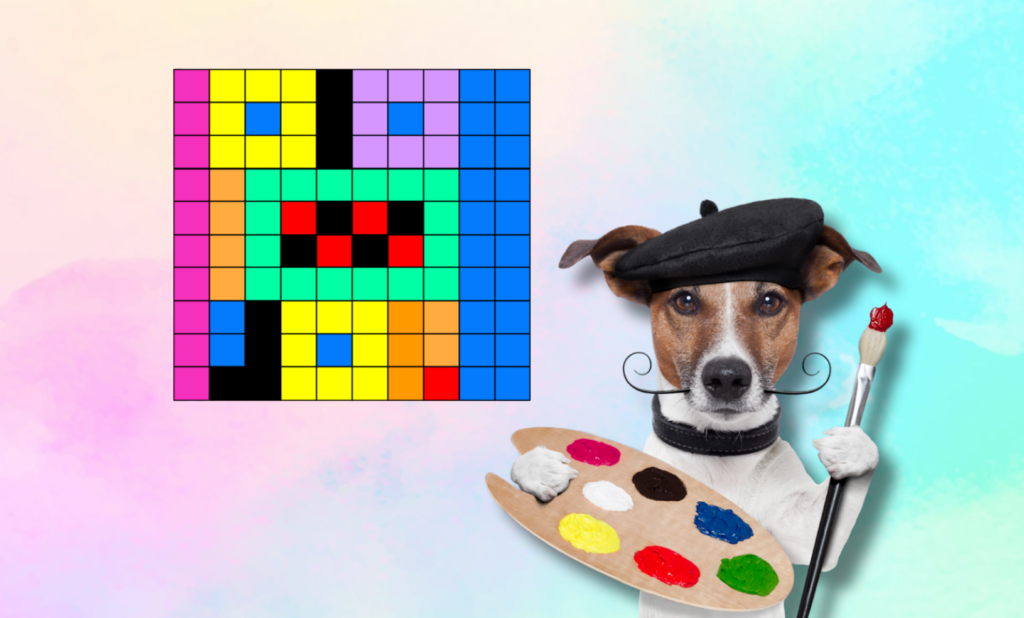
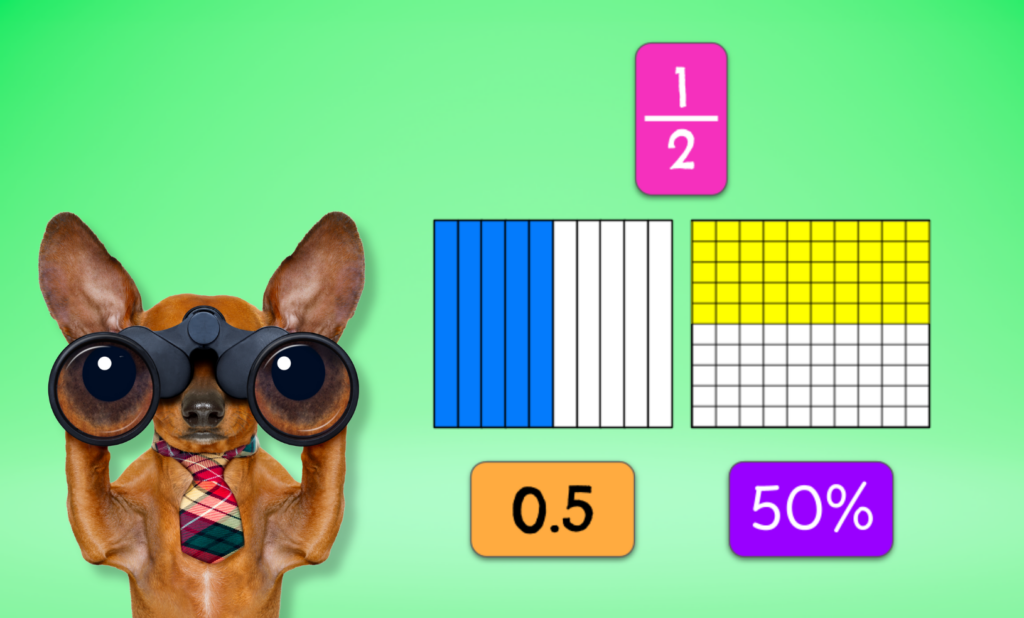
Students will convert and write fractions as decimals and percentages. They will make their own pixelation picture that includes decimals, fractions and percentages.
Students will continue to apply their knowledge and delve deeper into converting fractions, decimals and percentages. They will explore connections between fractions, decimals and percentages.
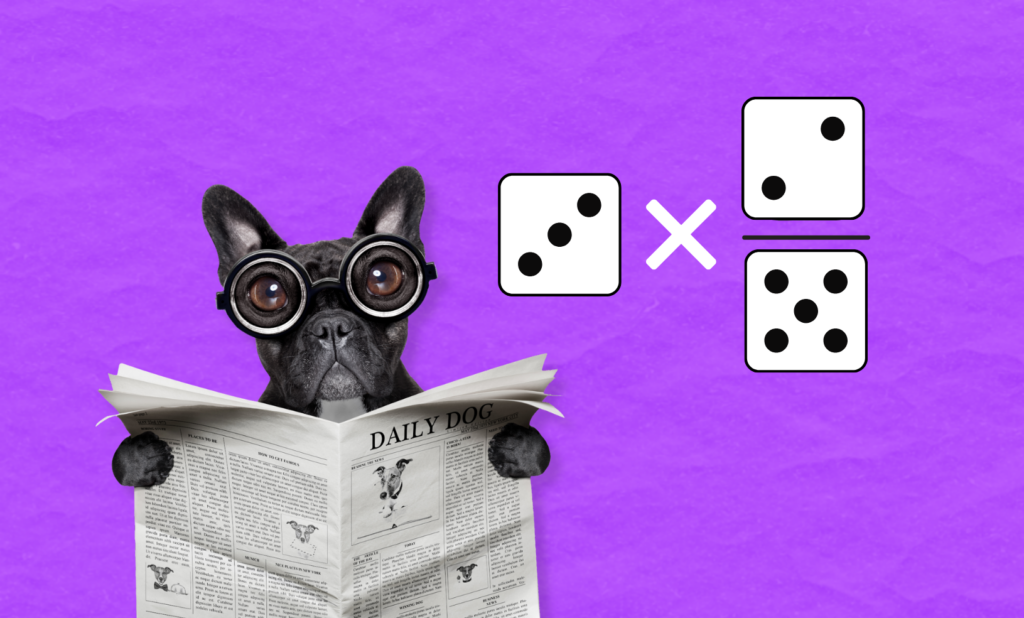
Students will explore how to multiply fractions by whole numbers. They will roll dice or flip cards to create and solve multiplication number sentences.
Students will show their knowledge of all the key ideas from this fraction unit. Please note, you can either complete an onscreen assessment or a printed version of the assessment.