Step 3: Start lesson 1 and have a look around
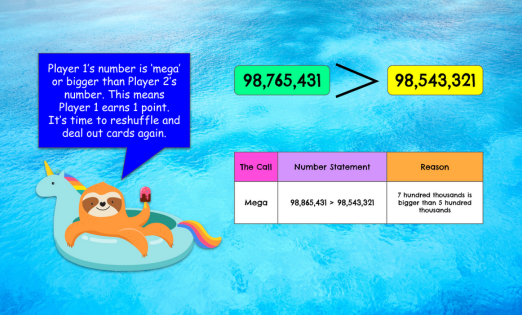
Student will use the <> symbols to compare numbers. They will be shown the conceptional reasoning in expanded form, before comparing numbers in standard form. They will play a game called Mega Or Mini.
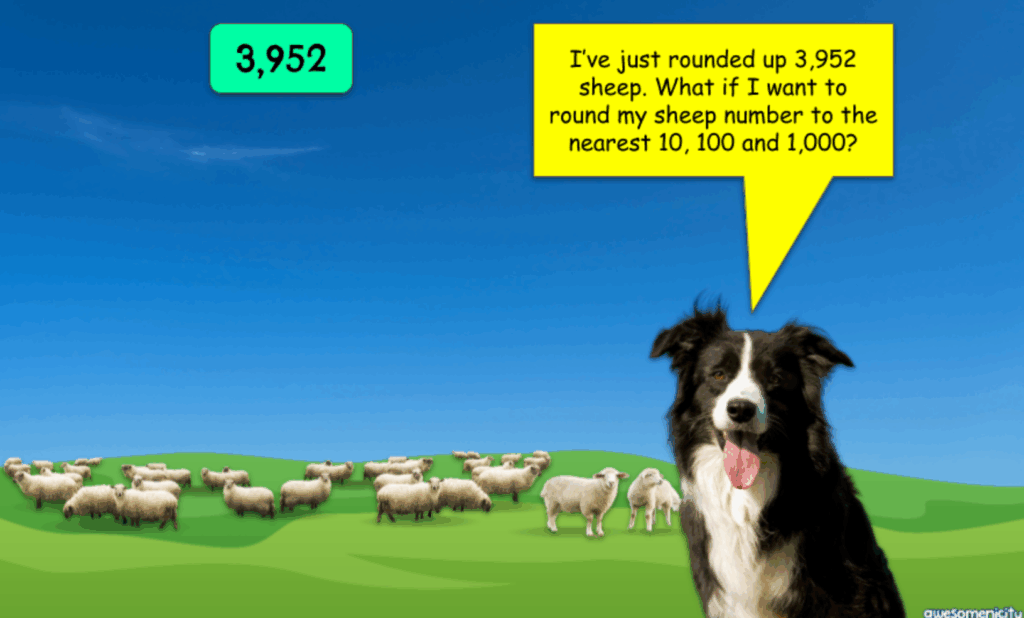
Students will use the number line strategy to round numbers to the nearest 10, 100, 1000 and beyond. They will create random numbers and explore how many different ways they can be rounded.
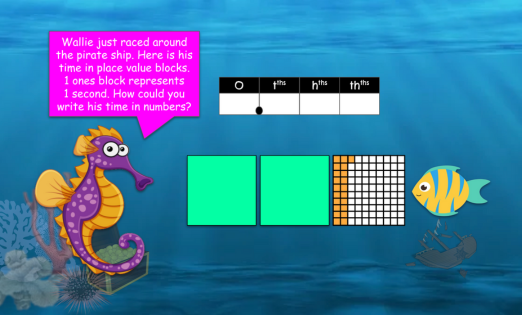
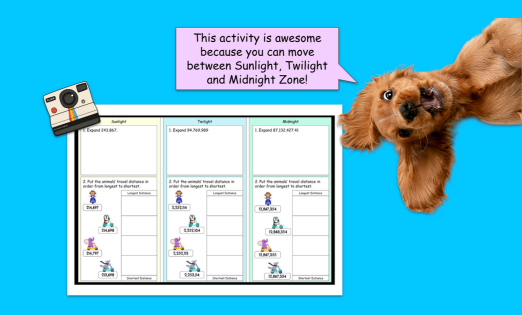
Students will explore the value of tenths, hundredths and thousandths, along with their connections. Students will order decimal numbers. Students will order animals’ race times. This lesson also involves reading decimals written in words.
Students will consolidate their understanding of comparing and ordering decimals by applying their knowledge during a critical-thinking game called Ice Block Challenge.
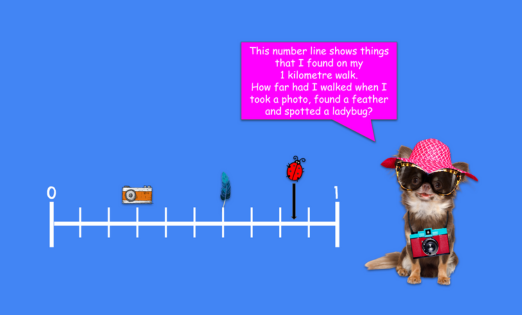
Students will apply their decimal knowledge to identify scale and decimals on a number line. They will use their critical-thinking skills to identify the distance of items seen on a hike.
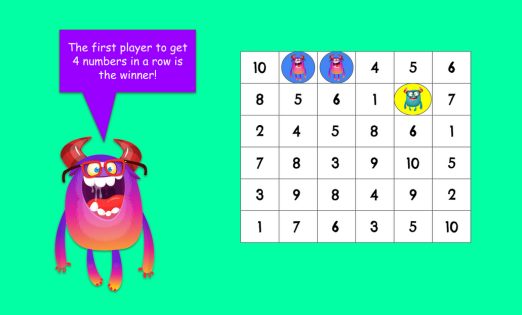
Students will practice rounding decimals to the nearest whole number. They will play a game, called Peas In The Pod, to practice their rounding.
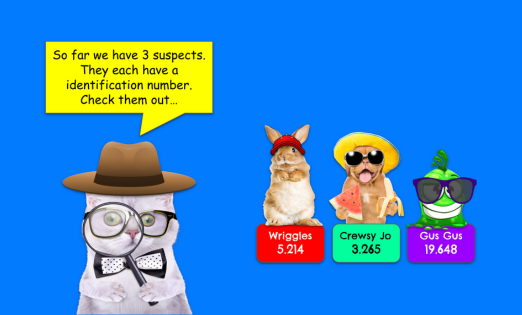
Students will round decimal numbers to the nearest tenth, hundredth and whole number. They will solve clues in order to find the other 3 members of the Cake Crew Criminals.
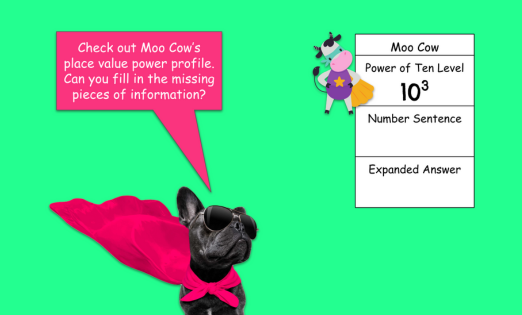
Powers of ten are a mathematical concept that is used to represent numbers in an efficient manner. This lesson involves multiplying and representing amounts as powers of ten while completing superhero power profiles.
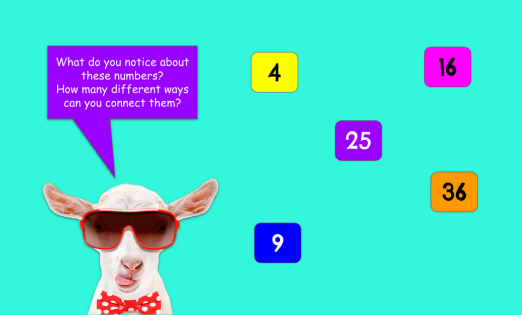
Students will explore the concept of square numbers (multiplying a number by itself) and their relation to arrays. Students will play a board game, called Square Squared, to practice representing and solving square numbers.
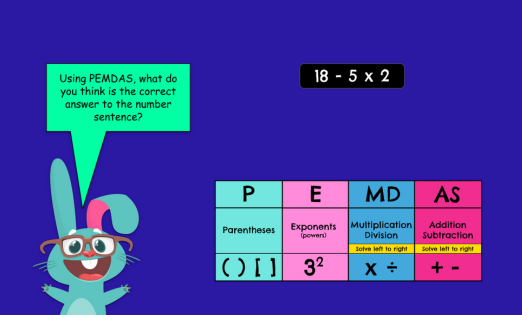
Students will explore the order of operations using the PEMDAS strategy. The order of operations is applicable to many areas of computation and will be revisited throughout year 6. Students will solve puzzles using PEMDAS.
This lesson will introduce the concept that a negative number is any number that is less than zero and explore how they relate to positive numbers. Students will represent negative and positive numbers on a number line while playing a game called Escape The Number Line.
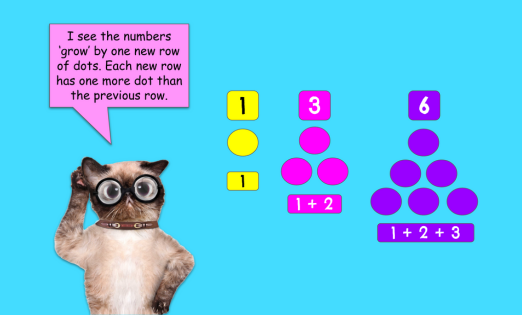
This lesson explores how triangular numbers can be represented in the form of a triangle, with dots or other symbols arranged in a triangular pattern. Students will apply this information to answer a series of problem-solving questions.
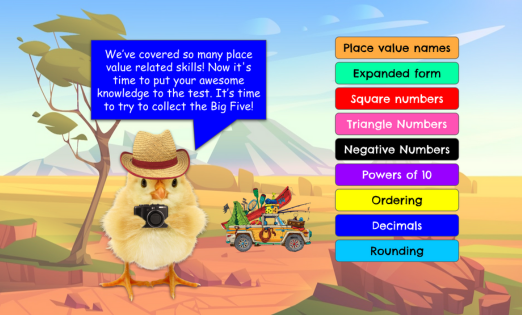
Students will apply their place value knowledge and critical-thinking skills to solve a series of puzzles. This lesson will involve problem-solving, decimal numbers, negative numbers, square numbers and rounding. This lesson could be used as an assessment. It might take longer than your regular lesson time.