Step 3: Start lesson 1 and have a look around
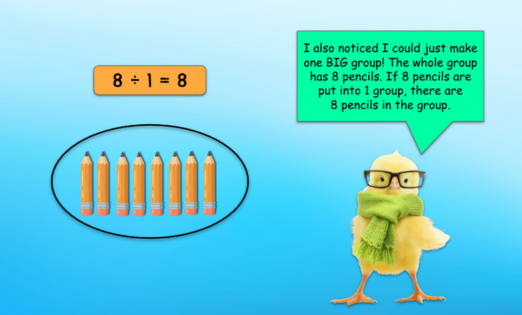
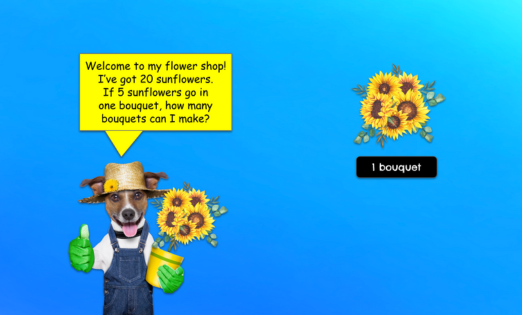
Students will use picture dots to explore division, visually grouping objects to better understand how numbers can be divided into equal parts. They will also be introduced to division number sentences and the concept of remainders, helping them recognize situations where numbers do not divide evenly and fostering a deeper understanding of the division process.
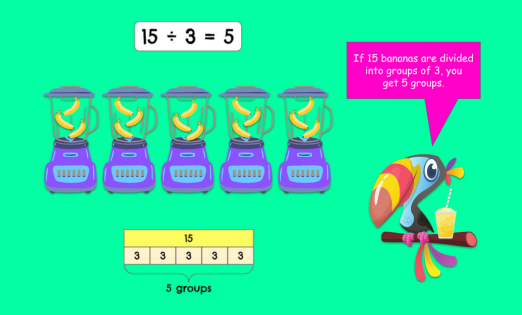
Students will share using grouping/skip counting, which involves counting in groups of the divisor amount rather than sharing the dividend between groups. They will use their knowledge to help the animals figure out how many smoothies they can make with the amount of ingredients they have.
Students will apply their grouping/skip counting skills whilst solving a code cracking activity.
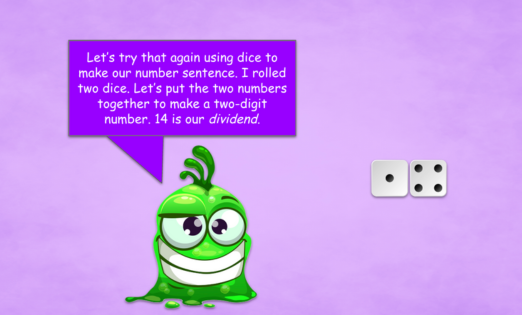
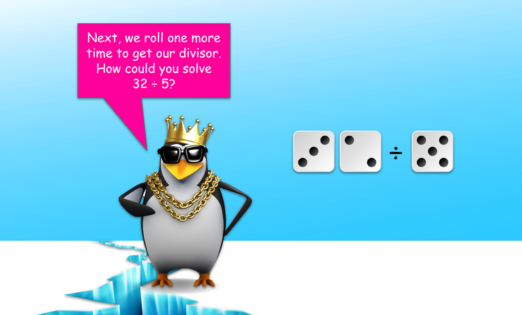
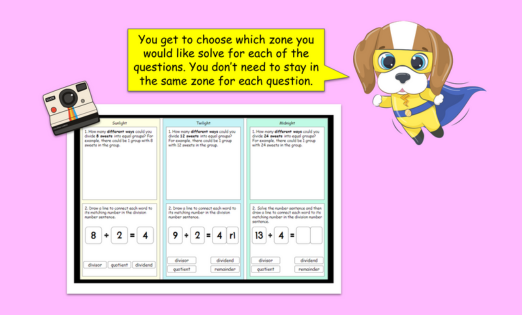
Students will be introduced to division vocabulary and break down number sentences into dividend, divisor, quotient and remainder. They will use this vocabulary to set up and solve number sentences.
Students will continue to apply their knowledge of dividing and division vocabulary, whilst exploring remainders in more depth. They will inquire into remainders by playing a game called Rocking Remainders.
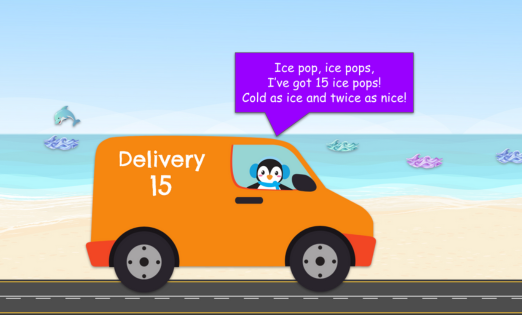
Students will inquire into the rules of divisibility by investigating how numbers can be divided evenly by different divisors. They will explore various examples, looking for patterns in the numbers to help them understand the divisibility rules and apply them to help the ‘ice pop sellers’ to deliver their ice pops to the correct customers.
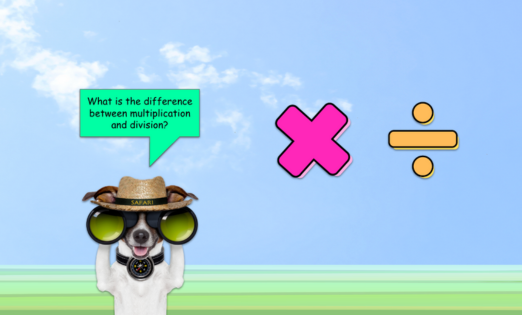
Students will explore the connection between multiplication and division, understanding how these operations are inverse of each other. They will learn how this relationship can be used to solve both multiplication and division problems, reinforcing their number sense and problem-solving skills. They will use picture prompts to find the related multiplication and division facts.
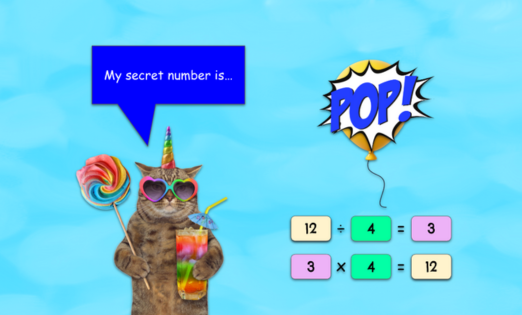
Students will continue to explore the connection between division and multiplication and apply this knowledge when creating and solving number riddles.
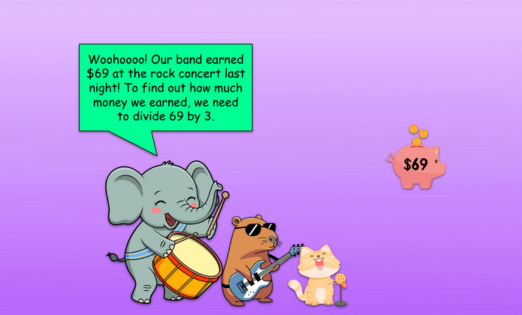
Students will use place value dot division to divide 2-digit numbers and larger numbers. This provides a conceptual understanding for other written strategies that are used in the future. They will practice this strategy by helping different bands share their total earnings.
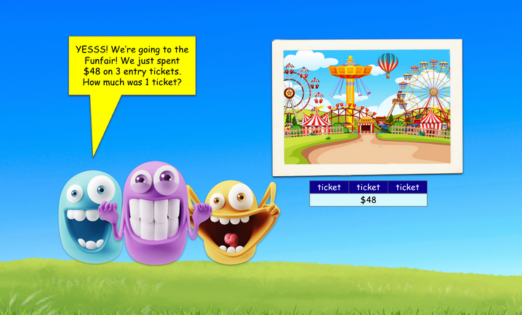
Students will apply their knowledge of place value dot division whilst investigating prices to find the individual cost of fun fair rides.
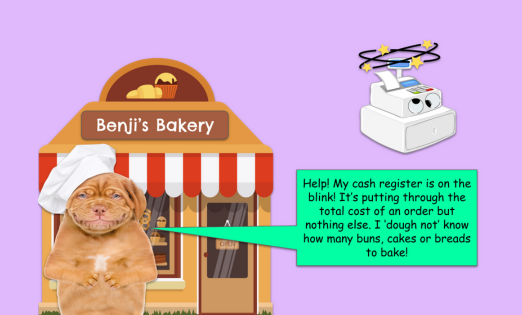
Students will use their problem-solving skills, division and other operations to help the shopkeeper with his broken cash register.
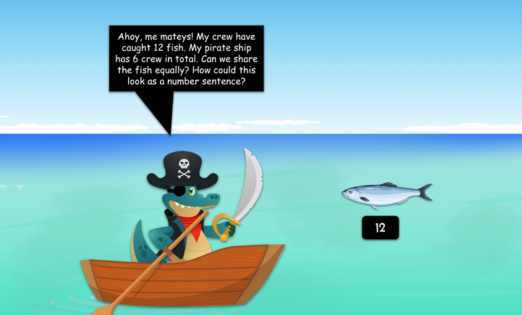
Students will use the REPS strategy and their division skills to solve word problems.
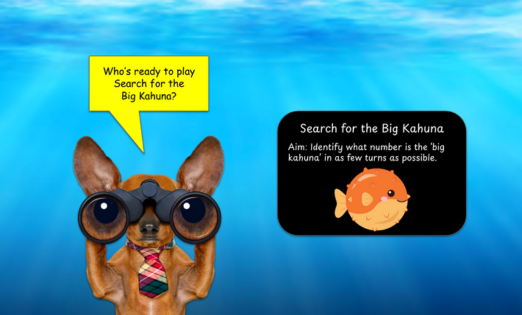
Students will use their division skills and knowledge to ask division-related questions whilst playing a problem-solving game called Search For The Big Kahuna.