Step 3: Start lesson 1 and have a look around
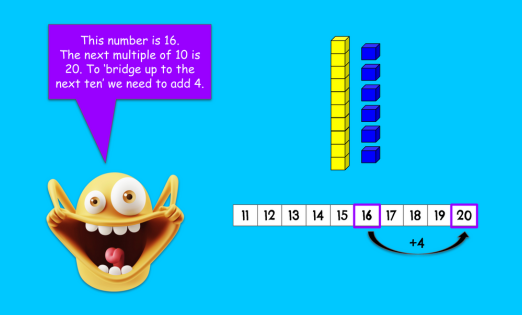
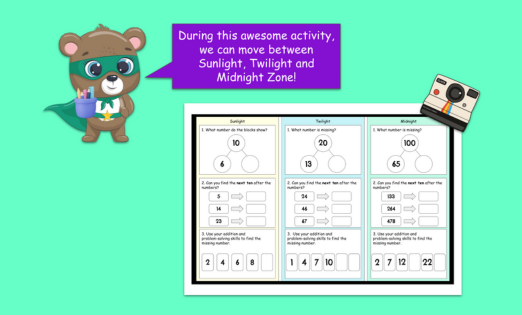
Students will explore how to add specific amounts to reach the next multiple of ten. This activity lays the groundwork for the “bridging to the next ten” strategy, which will be further developed in lessons 3 and 4. They will practice this strategy by creating number trees.
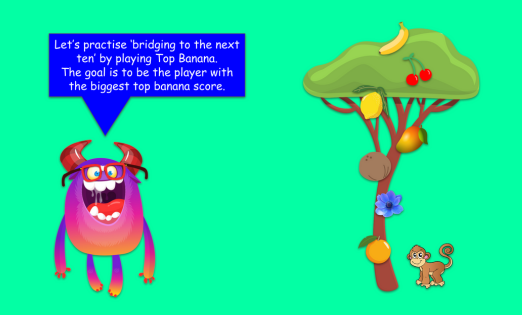
“Bridging through the next ten” is a strategy that builds upon the knowledge students gained in Lesson 2; finding the next multiple of ten. Bridging through the next ten involves adding a number in parts to another number to get to the next multiple of ten, then adding the remaining amount. This is a helpful strategy that can be applied to more complex problems and used with other strategies. In this lesson, students will play a game called Top Banana.
This lesson builds on the previous lesson, focusing on “bridging through the next ten” strategy. By mastering this approach, students will enhance their mental maths skills and strengthen their overall number sense. Students will practice their mental math skills by helping the animals figure out the total cost of the purchases after a day at the beach.
Students will manipulate doubles and ‘near doubles’ (numbers that are very close to each other) in order to develop their addition skills and gain more of an understanding of how numbers are flexible. They will practice adding doubles and near doubles by heading to a surf comp to help find each surfer’s score!
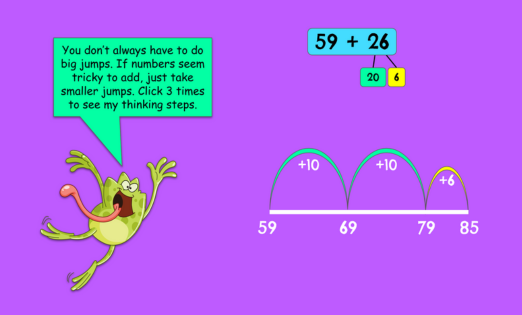
Jump strategy is a mental strategy used to manipulate and solve addition problems effectively. Students will break down a number into smaller chunks, then add each chunk to the larger number using a number line. This strategy helps provide a strong foundation for mental addition.
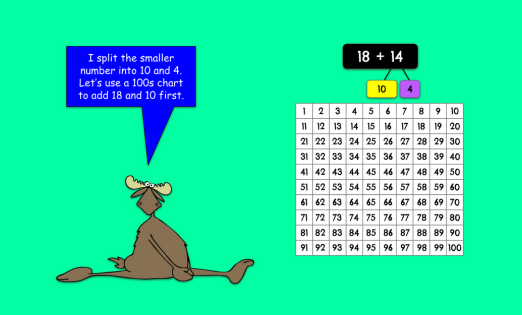
Split strategy involves splitting or expanding numbers into each place value amount to create an easier method to mentally add. It is also sometimes referred to as decomposition, partitioning or partial-sums strategy. Students will practice this strategy while playing Split ‘n Sketch, a creative game that involves finding the answers to questions, which will each provide a part of a chicken to draw.
Students will apply the addition and rounding skills learned in the previous lessons to tackle a problem-solving activity. Students will solve clues to find the types of donuts animals have purchased. They will use the clues to find out the animals’ totals and the type of donuts they bought.
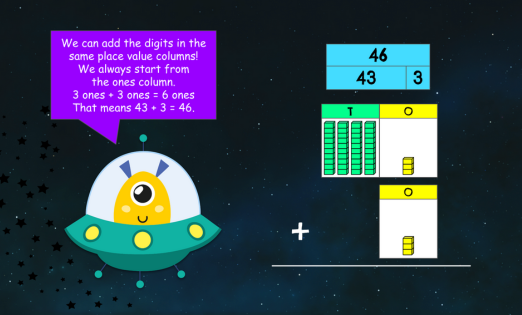
Students will delve into the conceptual process of adding like units using place value blocks and visual representations. This hands-on approach builds a strong foundation for mastering column addition and understanding regrouping. They will then practice adding like units by playing a game called Space Race.
This lesson builds on Lesson 10 by introducing hundreds and transitioning away from visual representations of quantities to working with digits. Students will apply their knowledge of adding using like units to help animals find their hot air balloons.
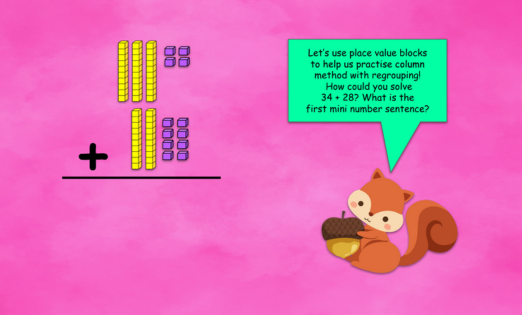
This lesson builds on the previous one, introducing column method with regrouping. Through visual representations, students will develop a strong conceptual understanding of the regrouping process. They will use this knowledge to play a fun spinning wheel game called The Wheel of Nuts.
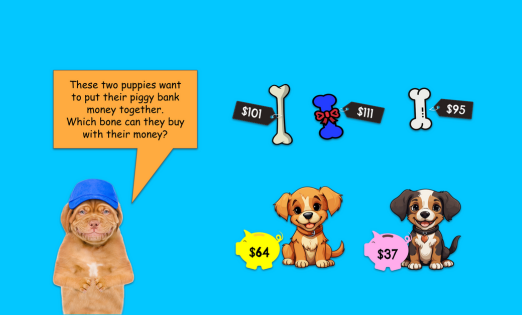
Students will have an opportunity to apply and consolidate their column addition knowledge with regrouping in this lesson. They will engage in an activity that involves helping dogs match with their bones.
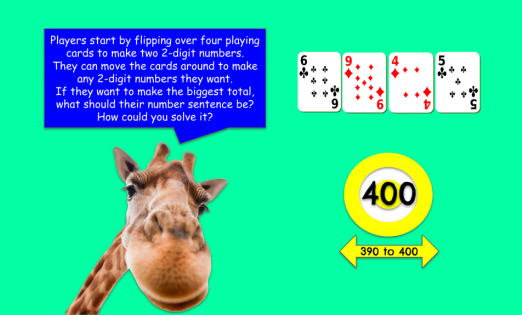
Students will continue to apply and consolidate their understanding of column addition with regrouping with a fun card game called Target Zone.
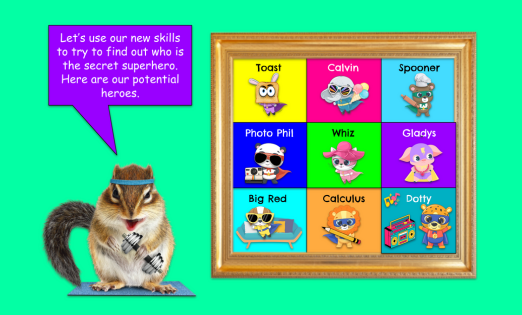
Students will apply a range of addition strategies explored throughout this unit to solve word problems. They will also use the REPS strategy to develop a strong approach to effectively solving word problems. They will engage in an activity that involves solving word problems, which match to clues that will expose the ‘Secret Superhero’.
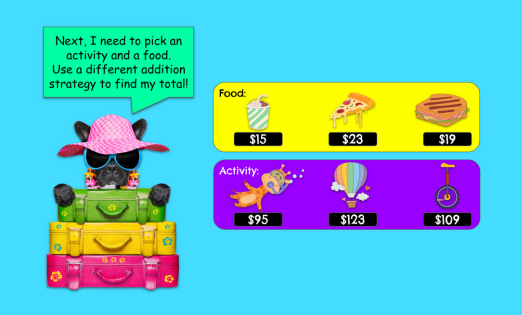
Students will use their addition strategies to plan and find the total cost of the ultimate holiday. Students can use the opportunity to apply and consolidate different strategies, such as number bonds, bridging to ten, doubles and near doubles, jump strategy, split strategy and column method.