
Maths teaching resources that turn “I can’t” to “I get it!”
Between ages 6-11 many children begin to lose confidence in maths as the curriculum gets harder, and memorisation isn’t enough. The hesitation, rushed answers, and avoidance are early signs of Maths anxiety.
Awesomenicity breaks that cycle with ready-to-teach resources that balance fluency and conceptual understanding. When children truly understand, they feel capable, engage more, and build real confidence.
- UK, US and International curriculum aligned
- Not an online learning platform - resources to use in the classroom with your children
- A variety of learning levels to challenge and support all learning styles
- No drills, no timers, no races, just activities that promote confidence and deepen understanding
“My students actually look forward to maths now. The difference in confidence is huge.”
— Aisling, Primary Teacher
“Awesomenicity gave me ready-to-use lessons that saved hours of planning and helped me reach every learner in my class.”
— Anna, Year 4 Teacher
“Before, some children would freeze or panic. Now, they’re willing to try and even enjoy the challenge.”
— Naaillah, Curriculum Lead
Do you ever feel maths is ‘too tough to teach’ to some children?
You’ve seen it happen, the blank stares, the rushed answers, the pupil who suddenly “needs to sharpen their pencil” (again). On the surface it looks like avoidance, but often it’s anxiety.
These students start to feel like maths just isn’t “for them.” Or worse: “I hate maths”.
That anxiety doesn’t stay in the lesson, it shapes how they see themselves, the subjects they choose and the opportunities open to them.
And it’s not just pupils. Teachers feel it too. The pressure to rush through content, tick boxes, and prep for assessments can leave little space for deep understanding.
And what happens? Children switch off, teachers feel drained and maths becomes a subject filled with anxiety instead of curiosity.
Awesomenicity exists to break that cycle.
Inside the Awesomenicity resources
With Awesomenicity, you’ll save time, ease the pressure, and transform Maths into a subject where every learner feels capable, curious, and confident.
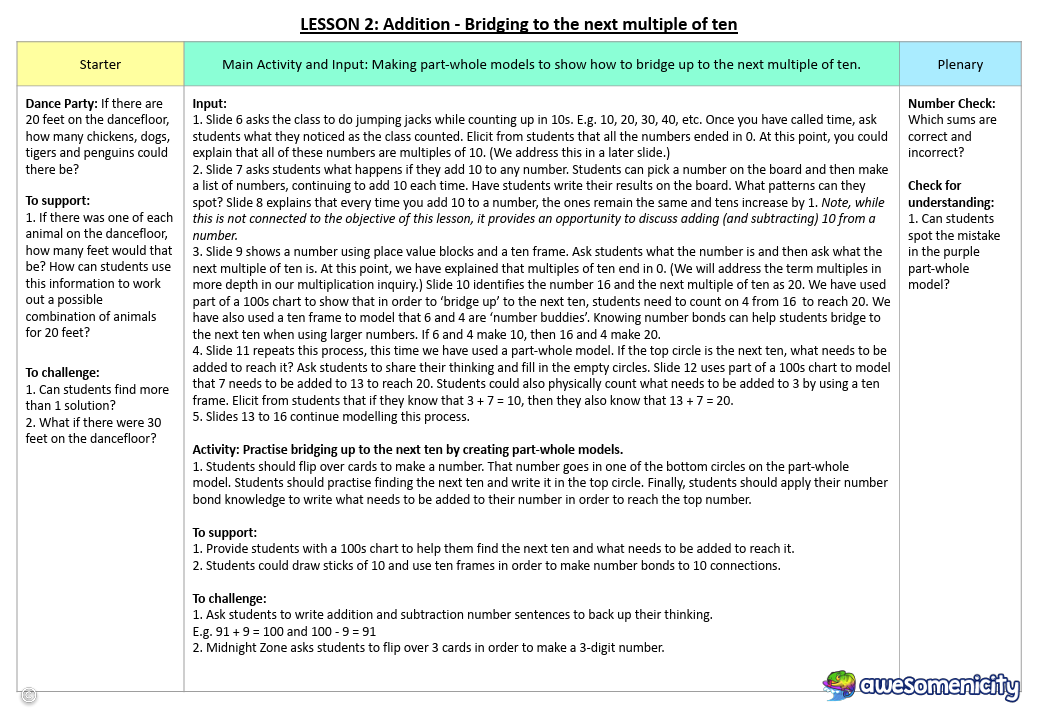
Curriculum guides
Planners
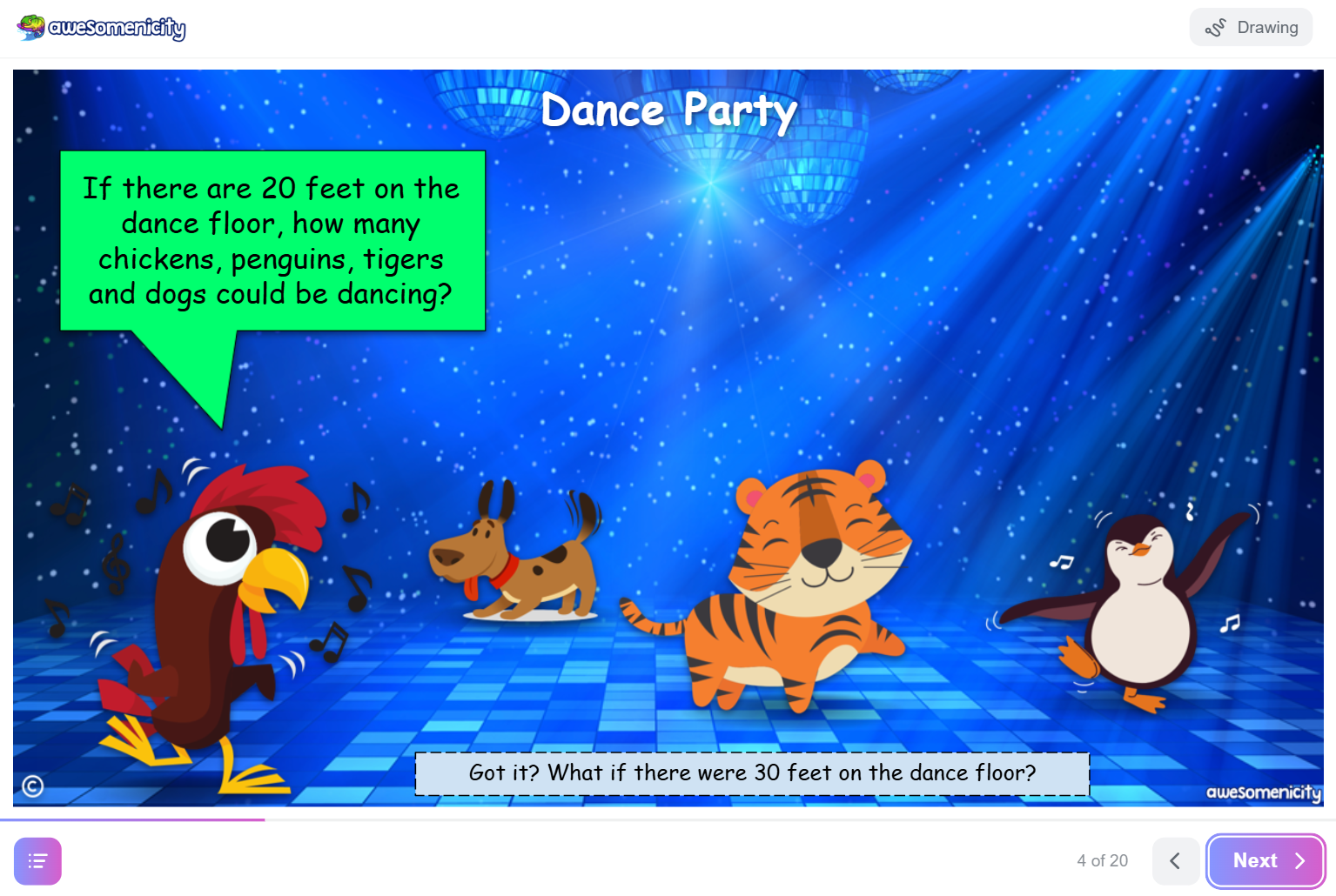
Starter activities
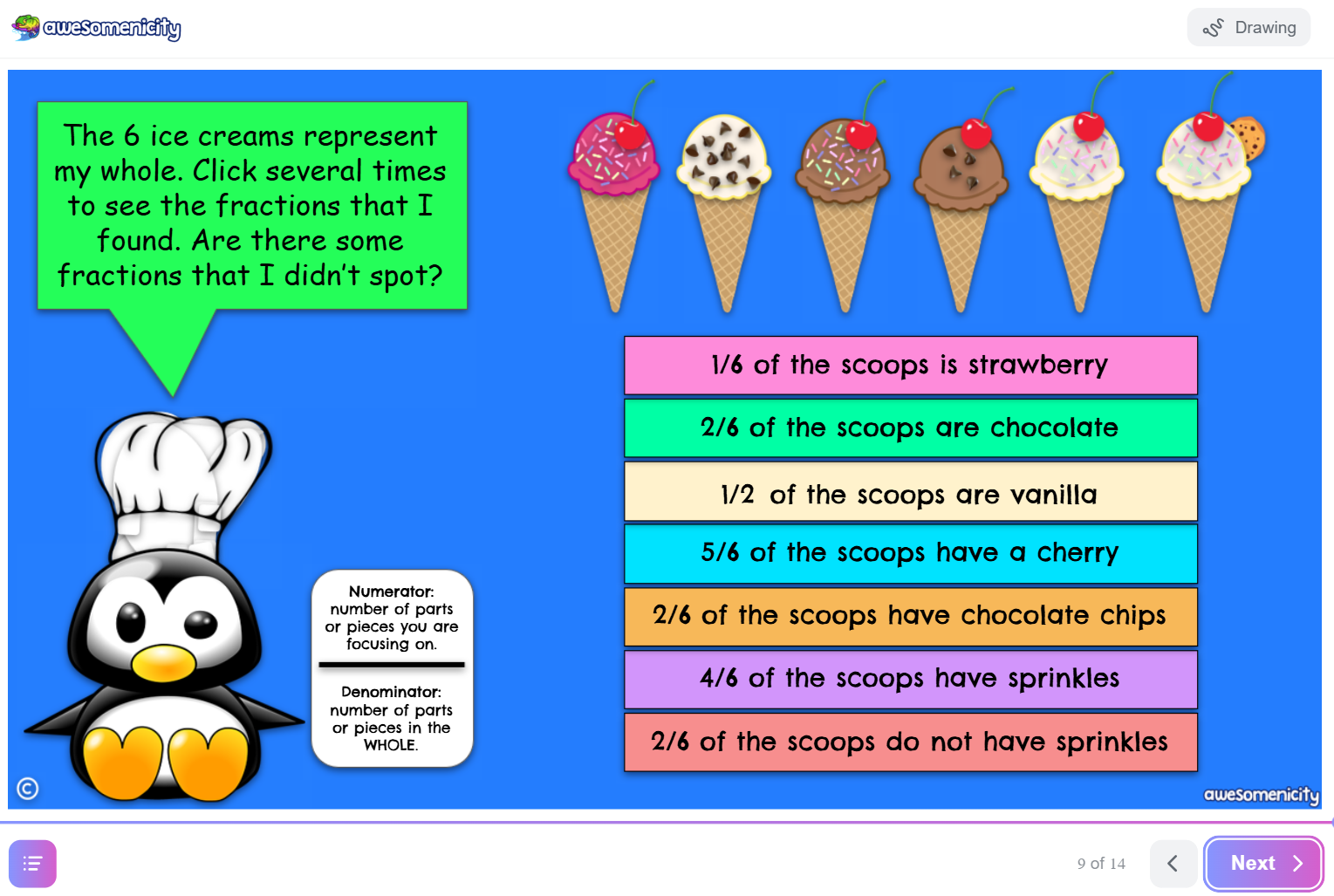
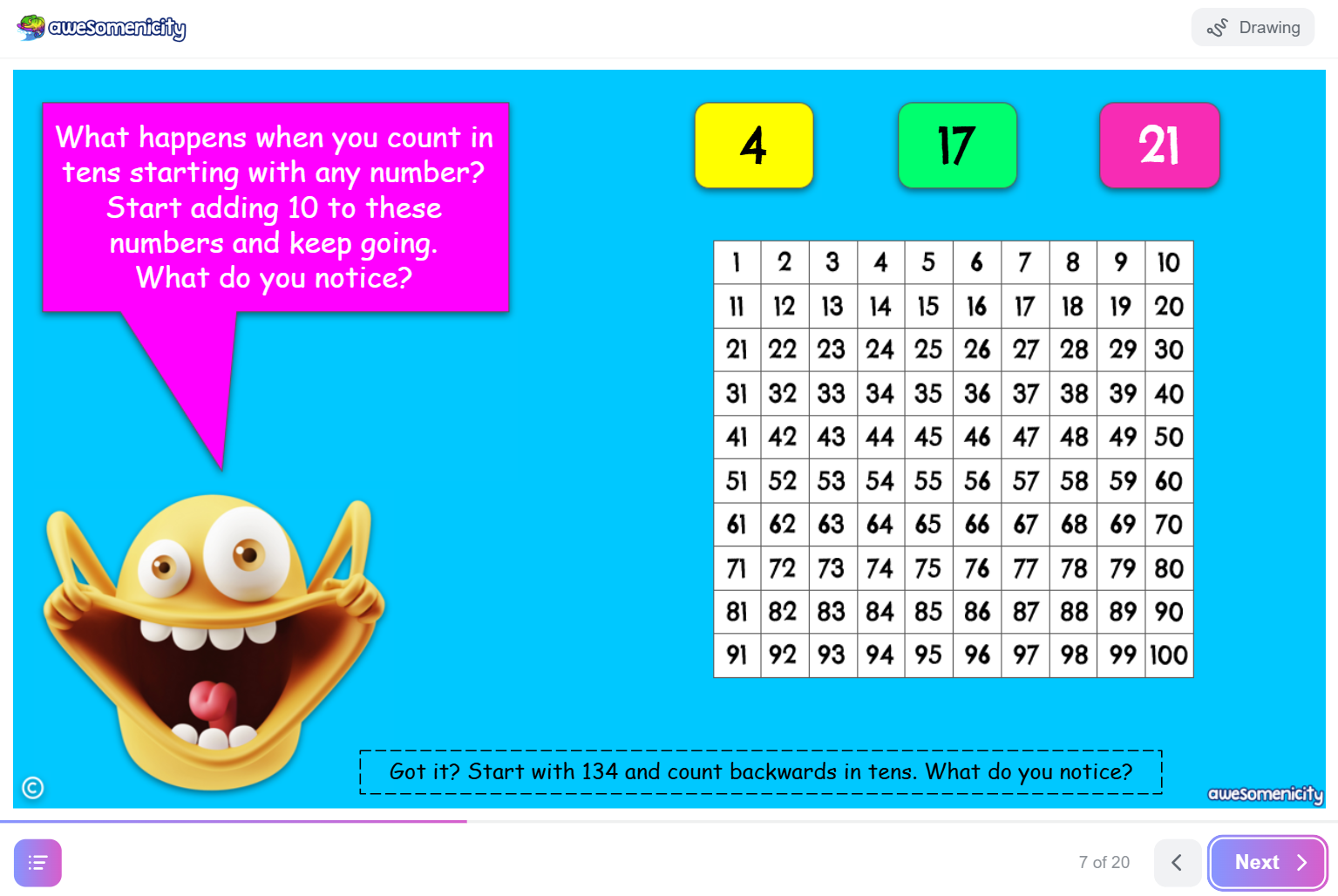
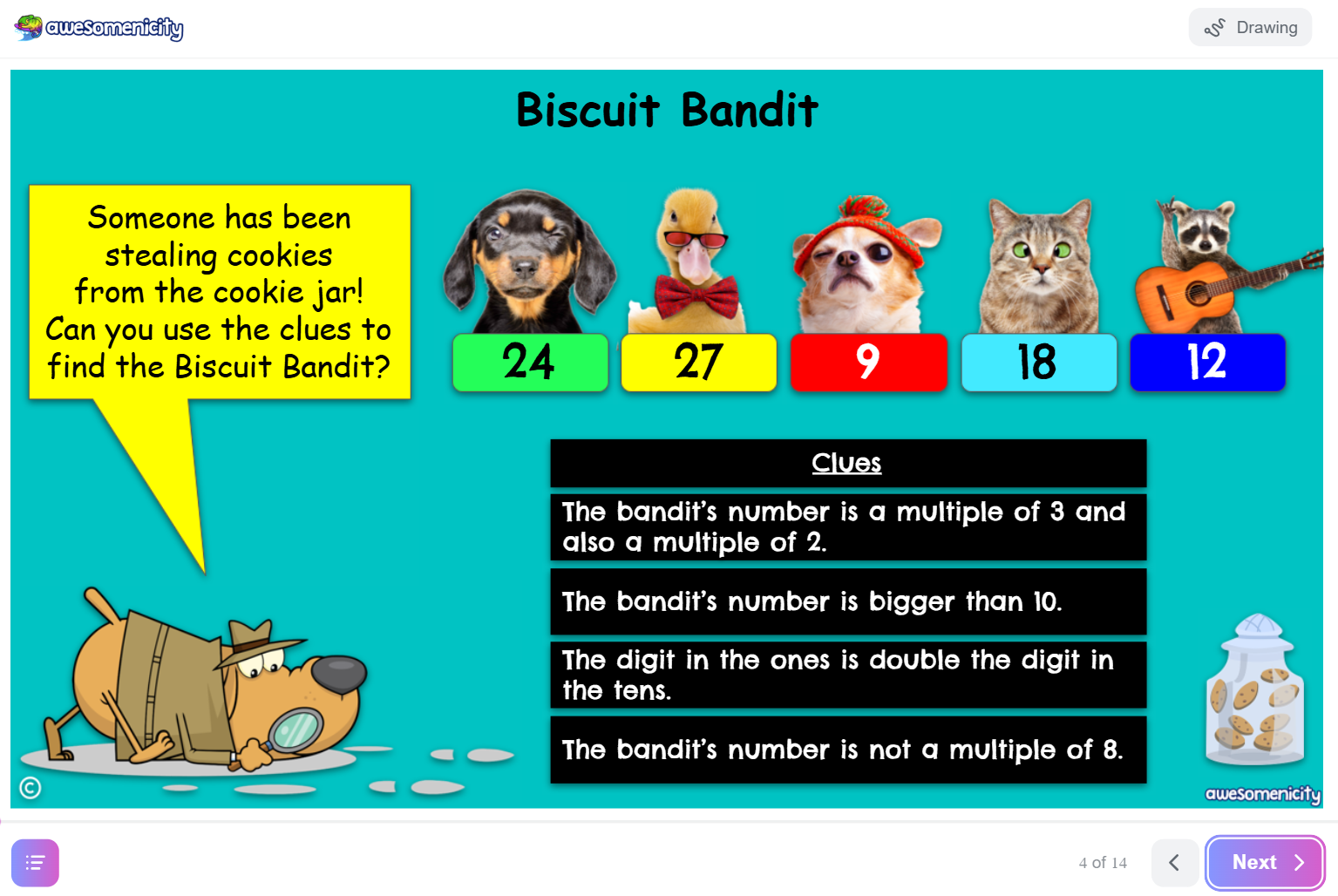
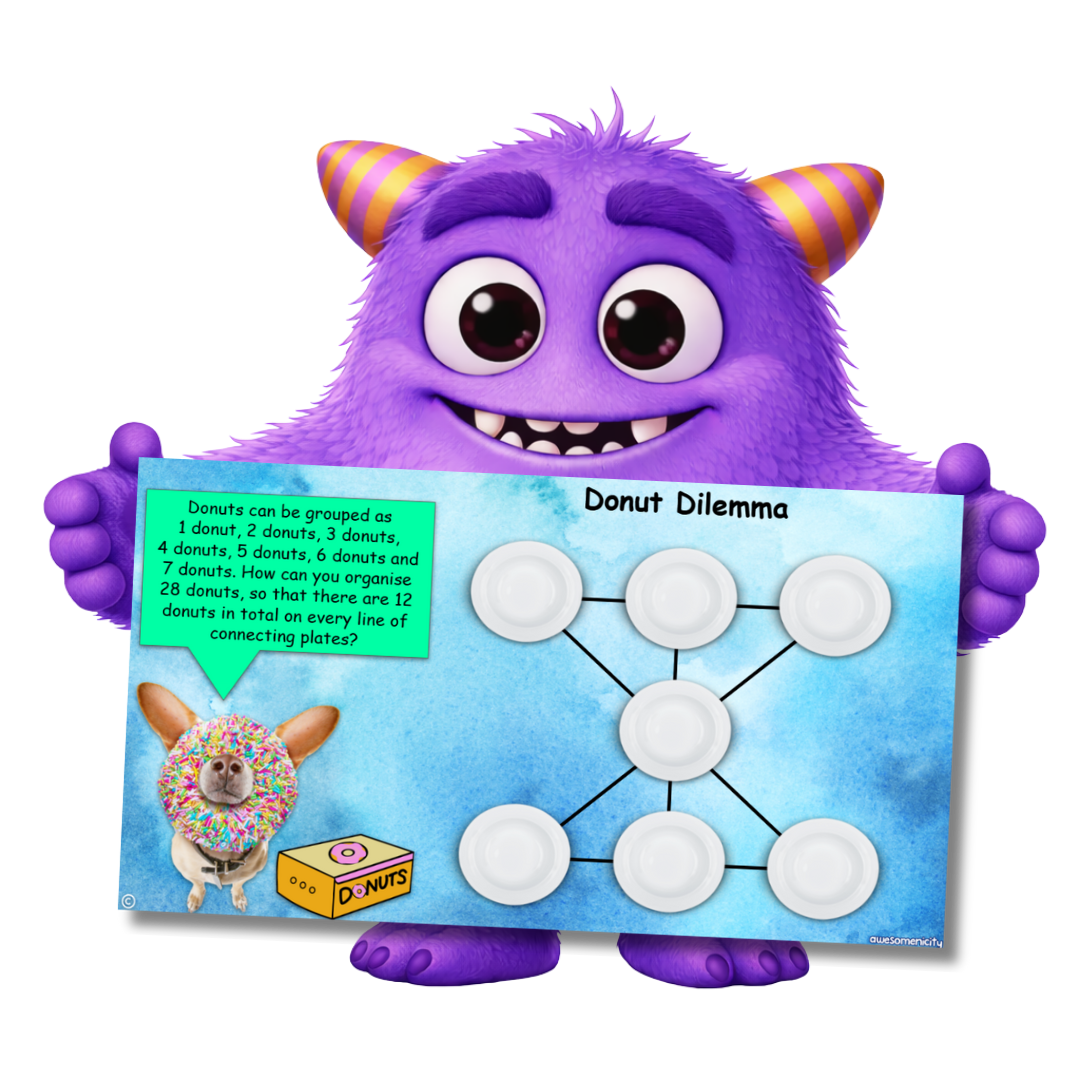
Lesson slideshows
Input and modelling
Activities, plenaries, and assessments
Every child deserves to feel good about maths.
Why Awesomenicity is different to other Maths resources
Confidence first
Every lesson is designed to reduce maths anxiety. No drills, no timers, no races, just a safe space where children believe “I can do this.”
Joyful learning
Inquiry, puzzles, visuals and games turn maths into discovery, not a chore. Lessons encourage curiosity and keep children engaged.
Deeper understanding
With CPA (Concrete–Pictorial– Abstract) and UDL (Universal Design for Learning), children don’t just memorise, they understand. Concepts like fractions or division finally make sense.
Progress that lasts
From growth mindset prompts to our “Sunlight / Twilight / Midnight” challenge zones, learners build real problem-solving skills. That means smoother lessons, less frustration and more confident maths thinkers.
The outcome
When children stop feeling anxious about maths, they start engaging. That means less acting out, better progress, and more confident maths practice.
Spot the signs → Ease the pressure → Enjoy the progress
Why addressing Maths anxiety REALLY matters
Impact on students
“Maths anxiety significantly disrupts working memory, reducing cognitive capacity for problem-solving—even in children capable of the maths involved.”
– David C. Geary, 2017
“77% of children with high maths anxiety were normal-to-high achievers.”
– National Numeracy.org
“Emotional symptoms (tension, dread, avoidance) become embedded, impacting motivation and broader attitudes toward maths.”
– National Numeracy.org
Global and cross-cultural evidence
“20% of students across 63 of 64 global educational settings suffered from Maths anxiety. ”
– Massimo Stella, 2021
Teacher and classroom influence
“Students often discussed the role that their teachers and parents played in their development of mathsanxiety.
Primary-aged children referred to instances where they had been confused by different teaching methods.”
– Nuffield Foundation, 2019
Stop the anxiety cycle and start building confidence
Join teachers worldwide who are turning number dread into number joy.
Anxiety doesn’t have to define a child’s relationship with Maths and it doesn’t have to define your classroom either.