
Lesson 6: Applying inverse operations
Lesson 5: Exploring divisibility
Lesson 4: Identifying common factors
Lesson 3: Connecting multiples and factors
Lesson 2: Investigating factors
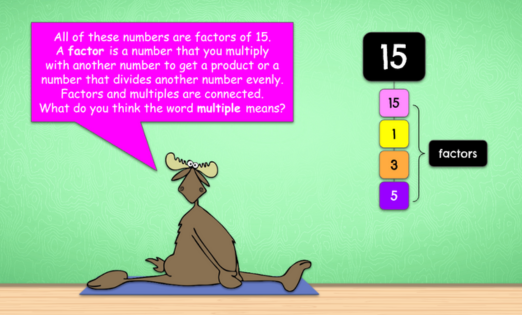
Lesson 1: Applying the 4 operations
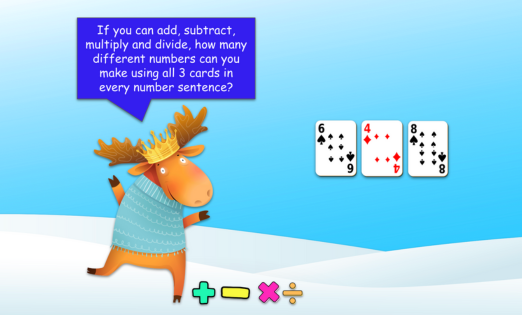
Lesson 8: Introduction to inverse operations
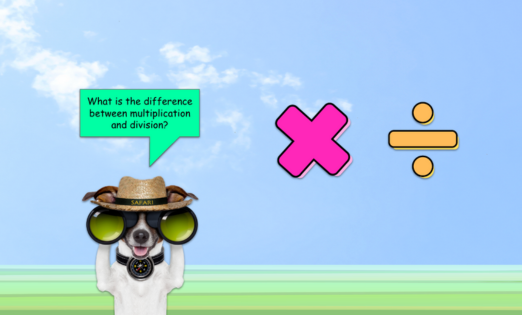
Students will explore the connection between multiplication and division, understanding how these operations are inverse of each other. They will learn how this relationship can be used to solve both multiplication and division problems, reinforcing their number sense and problem-solving skills. They will use picture prompts to find the related multiplication and division facts.
Lesson 8: US Measurement Assessment
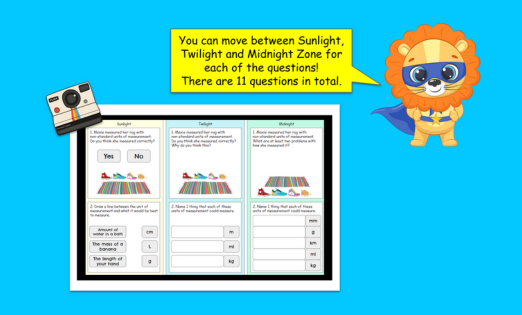
This is a summative assessment that covers the key objectives from this measurement unit.
Lesson 7: Measurement Olympics!
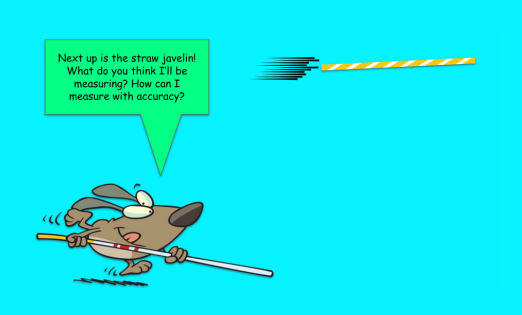
Students will recap and apply the different units of measurement that they have explored during this unit. They will do this by ‘competing’ in the Measurement Olympics, which is a fun series of measurement challenges.
Lesson 6: Estimate, measure and compare distance
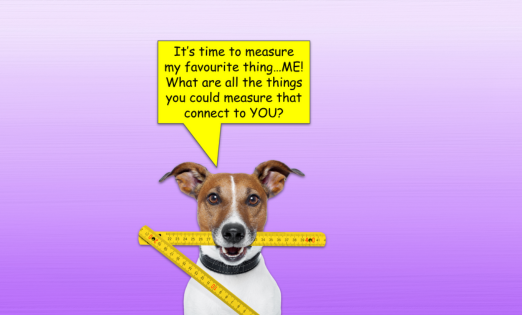
Students will brainstorm at least three objects they would like to measure. After creating their list, they will estimate the length of each item, carefully measure it, and compare their estimates with the actual measurements.