
What every teacher, school leader and parent needs to know.
Maths anxiety isn’t about ability. It’s the feeling of panic, tension, or helplessness that many children (and adults) experience when faced with a maths problem to solve.
It shows up in small ways, a blank stare, a sudden trip to sharpen a pencil, a child rushing through work to “get it over with.” On the surface, it can look like distraction or misbehaviour. But underneath is fear.
- Fear of getting it wrong.
- Fear of being put on the spot.
- Fear of not being “a maths person.”

Why it matters
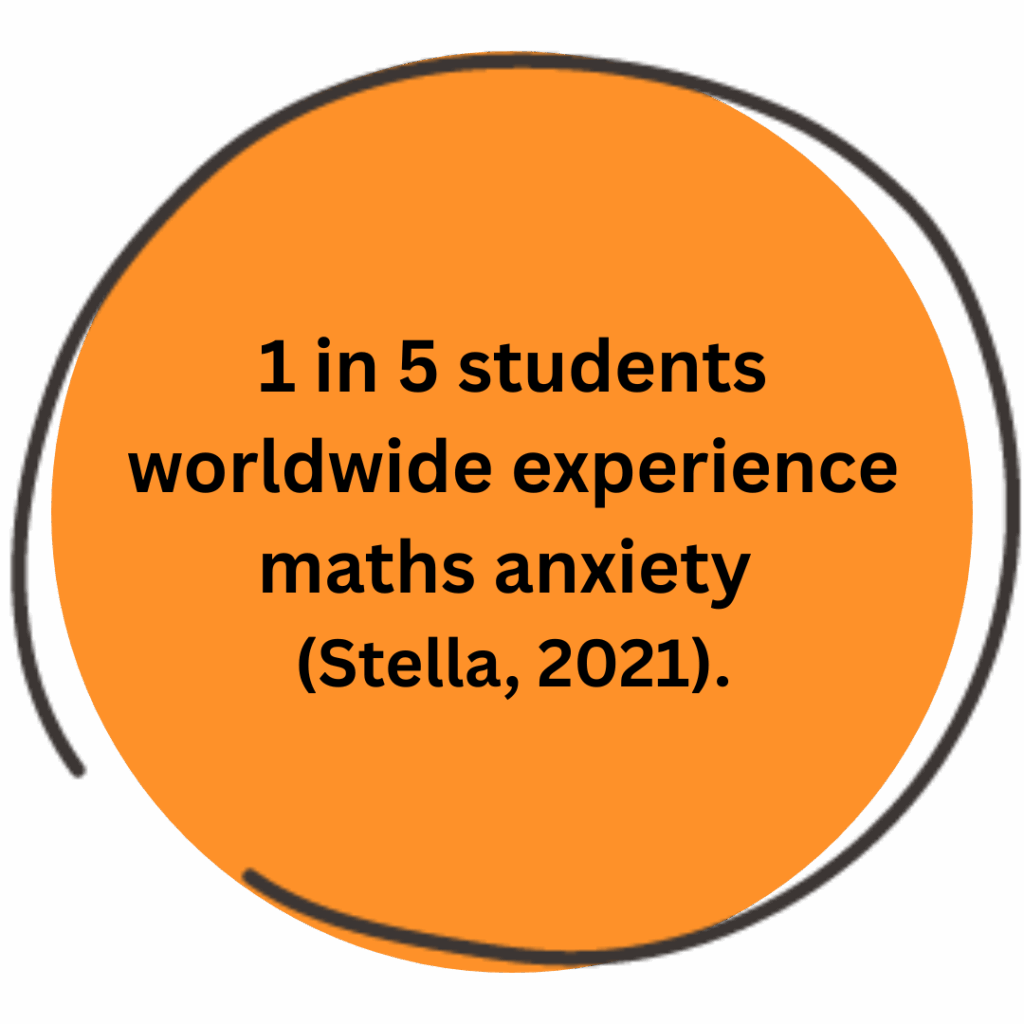
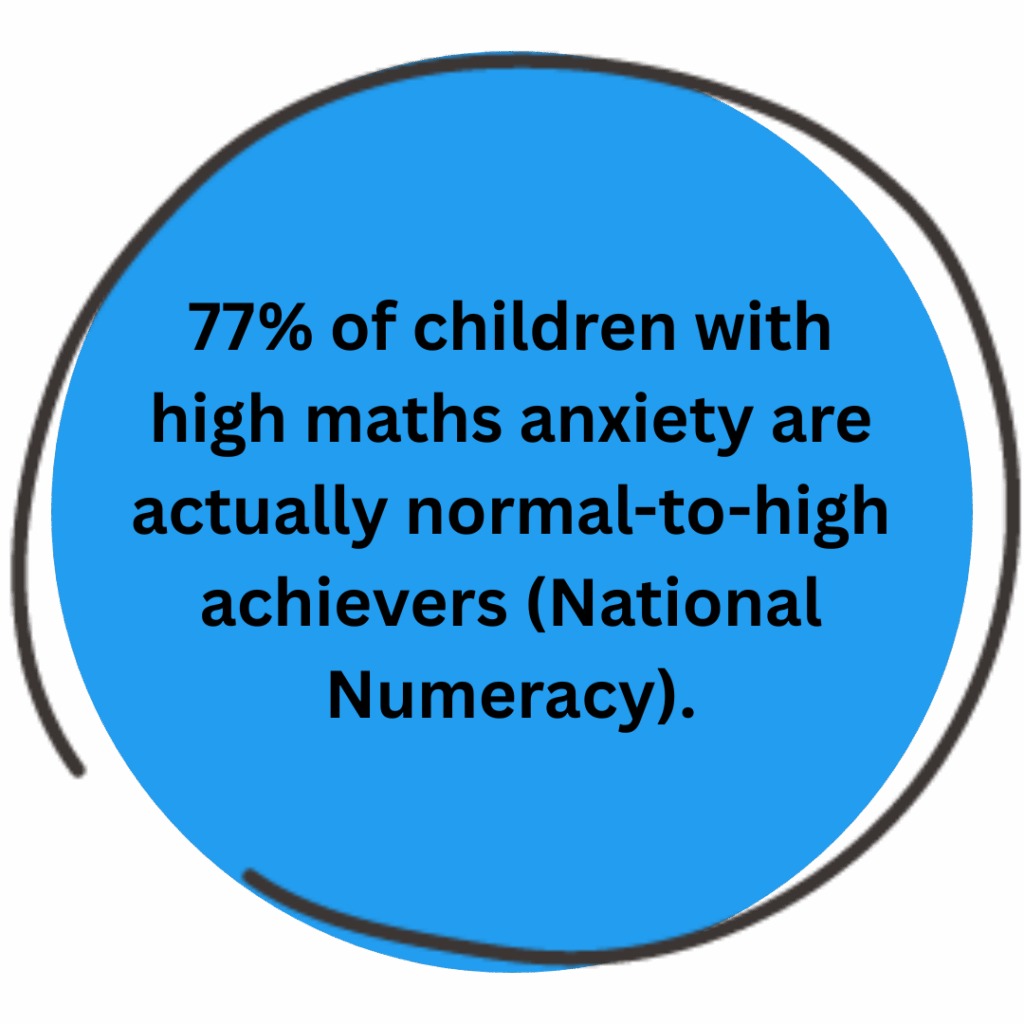
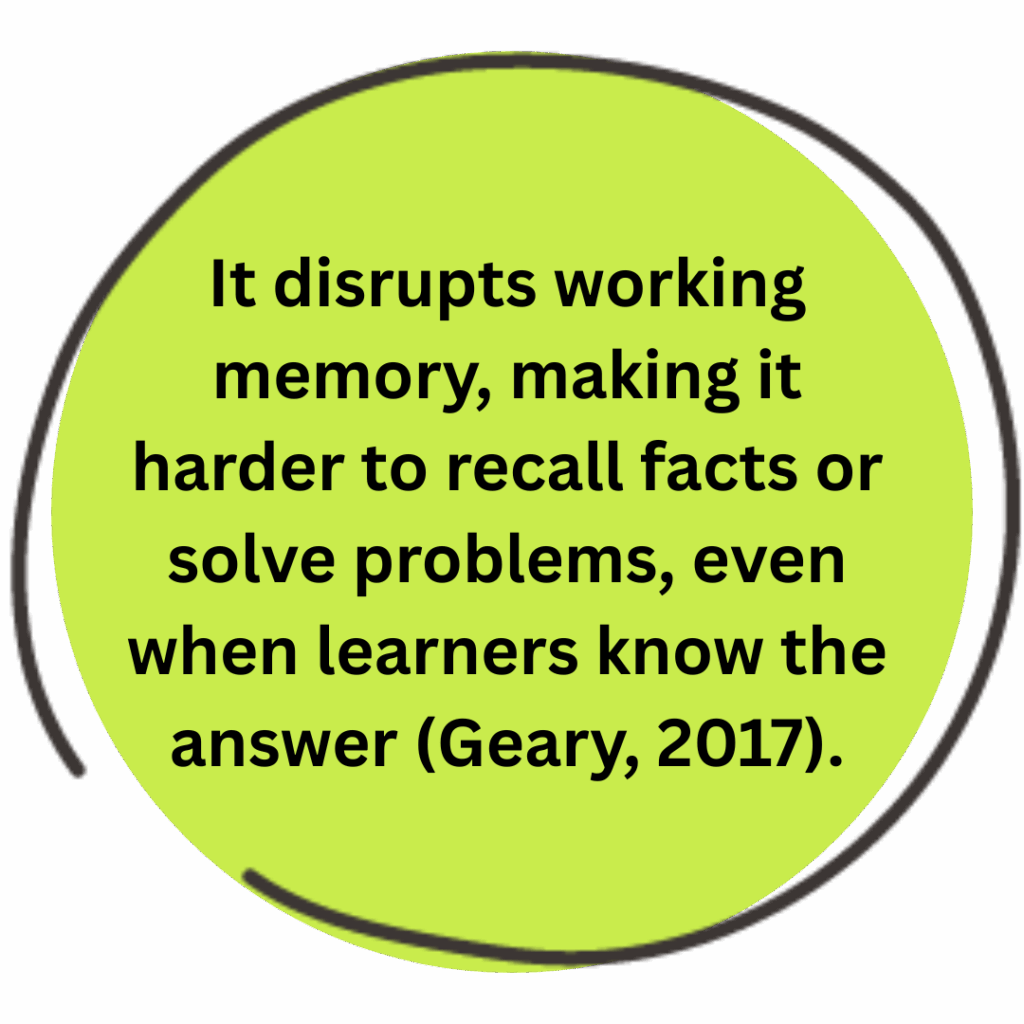
Maths anxiety isn’t rare. Research shows:
The Impact on teachers
Maths anxiety doesn’t stop with children, it reaches teachers too. Anyone who has stood in front of a class knows the feeling… the silence that lingers when a question lands, the rush to cover content, the weight of knowing some children are quietly switching off.
Our founders know this better than most. They’ve felt it in their own classrooms, in different countries and contexts, and it left a mark. That’s why Awesomenicity exists, not as another quick fix, but as a genuine change for teachers and students alike.
Because when anxiety lifts, something remarkable happens. Classrooms feel lighter, teachers find joy in teaching again and children begin to see themselves differently. Not as someone who “can’t do maths,” but as mathematicians in the making.


How Maths anxiety affects parents
At home, maths anxiety can be just as visible. Children may:
- Avoid homework or “forget” to bring it home.
- Say “I’m just not good at maths.”
- Show physical signs of stress before tests or lessons.
Parents often feel helpless—wanting to support their child but unsure how, especially if they carry their own memories of maths anxiety from school. Well- meaning phrases like “I was never good at maths” or “This is easy, let me show you” can reinforce anxiety rather than confidence.
Breaking the cycle
So, here is the good news. Maths anxiety is not permanent. With the right support, children can rebuild confidence and rediscover curiosity.
That’s why we created Awesomenicity. This is not another worksheet bank or speed-drill app, but a complete primary maths resource designed to reduce anxiety and build confidence.
Here’s how we help:
- Multiple entry points so learners can choose their challenge without fear.
- Concrete → Visual → Abstract progression to make concepts less intimidating.
- Inquiry and discussion to replace silence with conversation.
- Games and puzzles that turn practice into play.
- Teacher support built in, doubling every lesson as CPD.
- UDL-informed design, removing barriers and making learning accessible.
Why now?
Maths anxiety often appears as early as ages 6–7 (OECD, 2019). By upper primary, many children have already decided whether they’re “a maths person.” That decision can shape their confidence, their choices in school and even their career options.
This is the moment to intervene. With the right classroom environment, maths anxiety doesn’t have to define a child’s future.
Our belief
Maths should never be a source of dread. It should be discovery, discussion and delight.
With Awesomenicity, we aim to turn “I can’t” into “I get it.”
When that shift happens, lessons feel lighter, classrooms hum with curiosity and children begin to see themselves as capable mathematicians.